
Ariana Grande’s recent foot injury became a major talking point during the final performances of her Eternal Sunshine Tour. The injury itself was relatively straightforward compared with some of the serious celebrity injuries that make headlines, but it attracted attention because it forced Grande to make a noticeable change to her stage wardrobe. The singer told fans that she was recovering from a deep cut on her foot and would need to trade her familiar high heels for more comfortable footwear during the final London performances.
Grande explained that the problem was not a sprain or a muscular injury. Instead, she described it as a deep cut that had been bandaged while it healed. She also warned fans that they might notice her having some difficulty putting weight on the injured foot. Despite the injury, she continued with the scheduled performances and reassured fans that she was recovering.
The incident is particularly interesting because high heels have long been part of Grande’s recognizable performance style. For years, her concert appearances, red-carpet outfits, music videos, and public appearances have frequently featured elevated footwear. While there is no verified evidence that Grande’s high heels caused the cut she described, her decision to temporarily abandon them highlights an important issue: footwear can significantly change the mechanical demands placed on the feet.
For professional performers, that issue can become even more important. A concert involves much more than standing in one place. Singers may walk, dance, turn, climb stairs, interact with dancers, move between sections of a stage, and perform for several hours while wearing footwear that may prioritize appearance over everyday comfort. When an injury occurs, even a small change in footwear can make a meaningful difference in comfort and mobility.
Grande’s experience therefore offers an opportunity to look at the relationship between celebrity injuries, performance demands, high heels, and foot health. It also provides useful information for everyday Americans who wear heels for work, formal events, concerts, weddings, nights out, or other occasions that involve extended periods of standing and walking.
What Happened to Ariana Grande’s Foot?
On August 31, 2026, Grande informed fans that she was dealing with a foot injury shortly before the final shows of her Eternal Sunshine Tour in London. According to entertainment reports quoting her Instagram Stories, she said she would need to wear “cozy footwear” because she was bandaged and recovering from a deep cut. Grande specifically clarified that the injury was not a sprain or a muscular problem.
The injury meant that Grande would not be wearing her signature high heels for the final shows. She explained that fans might notice her having some difficulty putting weight on the affected foot, but she also reassured them that she was on the mend and still planned to perform.
The Associated Press reported that Grande ultimately completed the tour, which included performances in the United States, Canada, and the United Kingdom. The tour concluded with her London shows. This meant that the foot injury occurred at the end of a particularly demanding period rather than during a short isolated performance.
It is important to distinguish between the confirmed details and assumptions surrounding the injury. Grande publicly described the problem as a deep cut, but she did not publicly establish that high heels caused the injury. There is also no reason to assume that every foot problem associated with high heels applies to her particular injury.
Instead, her experience provides a useful real-world example of how an injured foot may require changes to normal footwear and activity. The fact that she moved from high heels to more comfortable shoes demonstrates how footwear can become an important consideration when someone is trying to protect an injured foot while remaining active.
Why Ariana Grande’s Footwear Change Got So Much Attention
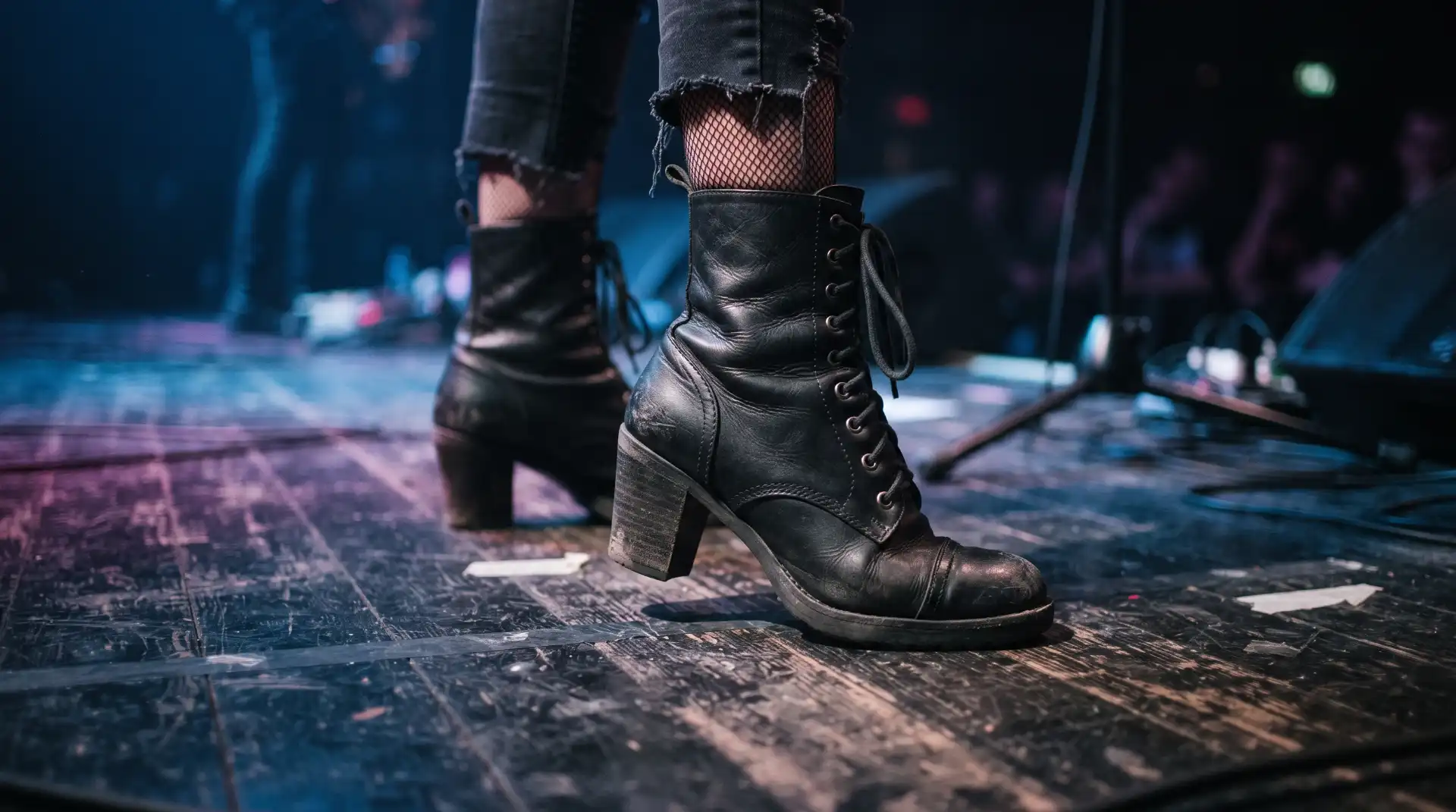
For many performers, footwear is part of their visual identity. Concert clothing is carefully selected to match the music, choreography, lighting, stage design, and overall image of the performance. A change from high heels to flatter, more comfortable footwear can therefore be immediately noticeable to fans.
Grande’s situation was particularly visible because her high-heeled footwear has frequently been associated with her stage style. Fans watching the final performances could immediately see that something was different. Her explanation also gave the change a clear reason: she was recovering from a foot injury and did not want to continue putting the same demands on the injured area.
That decision illustrates a practical point about injuries. Recovery does not always require a person to stop everything completely, but it can require modifying activities. A performer may change shoes, reduce certain movements, modify choreography, take additional breaks, or use other accommodations depending on the injury and the advice of healthcare professionals.
For someone outside the entertainment industry, the same principle applies. A person with foot pain may need to choose supportive shoes instead of formal footwear, reduce walking for a period of time, or avoid activities that increase pain. The appropriate adjustment depends on the underlying problem.
How High Heels Change the Mechanics of the Foot
High heels change the normal position of the foot by elevating the heel above the forefoot. That changes the angle of the ankle and can shift more body weight toward the front portion of the foot. The higher the heel, the more pronounced the change can become.
The American Podiatric Medical Association explains that platforms and high heels can contribute to pain in the ball of the foot and ankle injuries. Its footwear guidance recommends lower, more stable heels when possible.
This does not mean that every person who wears high heels will develop an injury. People have different foot structures, activity levels, footwear habits, and tolerance for different types of shoes. A person who wears a low heel for a short period is also experiencing different mechanical demands from someone who wears very high heels while dancing for several hours.
For professional performers, the issue becomes more complicated because the footwear is often combined with movement. Walking in high heels is one activity. Dancing, turning rapidly, stepping backward, jumping, and moving across a stage in high heels are considerably more demanding.
Balance is also important. A narrow heel creates a smaller base of support than a wider or flatter shoe. When a person moves quickly, a smaller base of support can make balance more challenging. On a concert stage, performers may also encounter stairs, platforms, cables, props, ramps, and other equipment that require careful movement.
These factors do not establish that Grande’s injury was caused by her shoes. Her own explanation was that she had suffered a deep cut. Instead, the broader medical information helps explain why switching to more comfortable footwear can make sense when someone has an existing foot injury.
How High Heels Can Increase Forefoot Pressure
The front portion of the foot contains five long bones called the metatarsals. The area where these bones meet the toes helps absorb and transfer forces during walking and other movements. When footwear shifts more weight toward this area, pressure can increase.
Mayo Clinic identifies high heels and poorly fitting shoes as potential contributors to metatarsalgia, a condition associated with pain in the ball of the foot. High heels can increase pressure on the forefoot, while narrow shoes can compress the toes.
For someone who spends only a short amount of time in heels, the effect may be temporary. For someone who spends hours in elevated footwear, especially while walking or performing, the repeated pressure can become more noticeable.
Professional entertainers can face particularly demanding conditions. A singer may spend an entire show standing, walking, dancing, and repeatedly shifting weight from one foot to another. If the footwear does not provide adequate support or the fit is poor, discomfort can become increasingly noticeable as the performance continues.
Repeated pressure does not automatically result in injury, but persistent pain can indicate that the foot is being subjected to more stress than it can comfortably tolerate. Continuing to ignore that pain can also lead some people to alter the way they walk, which may place additional stress on the ankles, knees, hips, or lower back.
High Heels and Ankle Stability
Another important consideration is ankle stability. Raising the heel changes the position of the ankle and reduces the amount of contact between the heel and the ground. A narrow heel can also provide a smaller and less forgiving base of support.
This can become important when someone suddenly changes direction. A person wearing heels may be more vulnerable to losing balance if the foot lands at an awkward angle or encounters an uneven surface.
For performers, this is especially relevant because movement is part of the job. A singer may move quickly across a stage while simultaneously focusing on singing, choreography, audience interaction, and other performance elements.
An awkward step can result in a range of problems, including an ankle sprain. More serious falls can potentially result in fractures or other injuries. The exact risk varies considerably depending on the individual, footwear, surface, movement, and circumstances.
Grande’s reported injury was not an ankle sprain. She specifically said it was a deep cut. Therefore, it would be inaccurate to claim that her injury resulted from the instability associated with heels. Her situation simply demonstrates why someone recovering from a foot injury might choose footwear that provides greater comfort and stability.
Can High Heels Affect the Toes?
Footwear design can also influence the toes. Many high-heeled shoes have narrow toe boxes that bring the toes closer together. When this happens repeatedly, pressure and friction can develop around the toes and the front of the foot.
The American Podiatric Medical Association explains that corns and calluses can develop when repeated friction or excess pressure irritates the skin. It specifically notes that excessive pressure at the balls of the feet, which is common among people who regularly wear high heels, may contribute to calluses.
Tight footwear can also contribute to other toe problems. The APMA’s guidance on hammertoes recommends avoiding overly tight or narrow footwear and avoiding heels higher than two inches when dealing with the condition.
Bunions are another condition in which footwear can become relevant. According to the APMA, tight shoes that squeeze the toes can contribute to pressure around the big-toe joint, although bunions are also influenced by foot structure and other factors.
These conditions are different from Grande’s reported cut. They are examples of longer-term foot problems that can be associated with pressure, friction, footwear, and individual biomechanics. They should not be used to diagnose Grande’s injury.
Can High Heels Affect Nerves in the Foot?
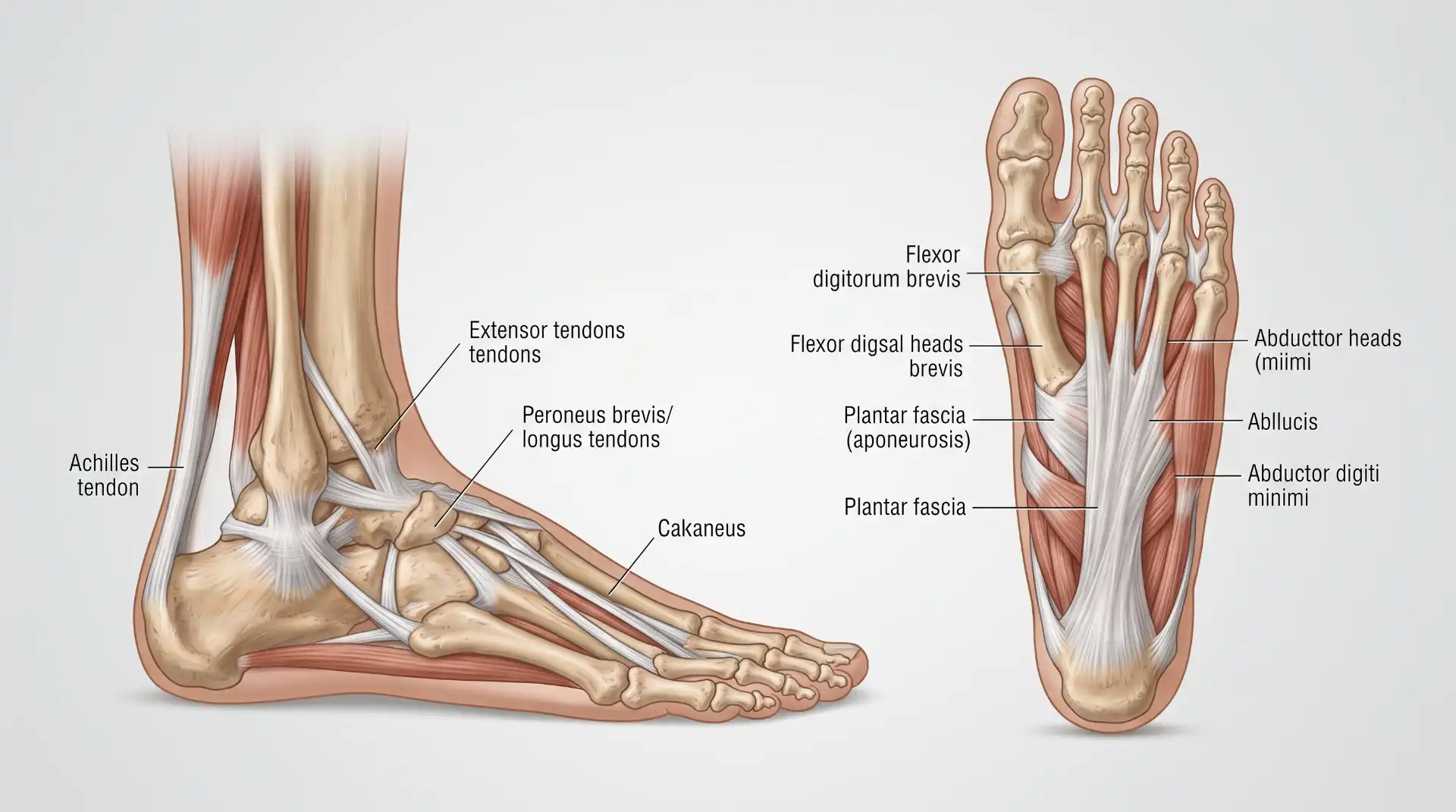
Footwear can also place pressure on nerves. Shoes that squeeze the toes or compress the forefoot may contribute to symptoms such as burning, tingling, numbness, or pain.
The American Podiatric Medical Association notes that improper footwear that squeezes the toes can contribute to neuroma symptoms and recommends footwear with adequate room for the toes, lower heels, and appropriate cushioning. The organization also advises avoiding high heels over two inches whenever possible because they can place additional strain on the forefoot.
For a performer, nerve irritation can be particularly disruptive because a concert may require precise foot placement and constant movement. Numbness or pain can affect a person’s awareness of where the foot is positioned and make movement less comfortable.
Again, there is no indication that Grande’s reported deep cut was a nerve injury. Her public description was specific enough to distinguish it from the types of chronic foot conditions discussed here. The broader lesson is that different foot symptoms have different causes and should not be casually attributed to the same problem.
Why Concert Performers Put Significant Demands on Their Feet
Watching a major concert can make the performance appear effortless, but professional touring is physically demanding. A performer may rehearse for months before a tour begins and then repeat the same physical routines across dozens of shows.
During a concert, the feet can absorb repeated forces from walking, dancing, turning, jumping, landing, and maintaining a standing position for long periods. Hard stage surfaces may also contribute to fatigue because the feet repeatedly interact with a relatively firm surface.
The American Podiatric Medical Association notes that heel pain can be associated with biomechanics, injury, repeated impact, and inappropriate footwear. It also recommends using footwear appropriate for the activity and seeking professional evaluation when persistent symptoms interfere with normal activities.
For performers, the physical workload does not necessarily end when the concert does. There may be another show the following evening, followed by travel to another city. This makes recovery an important part of maintaining a demanding touring schedule.
A foot problem that might be manageable for someone working a typical desk job could become significantly more disruptive for a performer who must stand and move for several hours the next day.
Why Comfortable Footwear Can Be Important During Recovery
Grande’s decision to replace her heels with more comfortable footwear provides a simple example of modifying activity around an injury. When a foot is injured, the shoe needs to fit comfortably around the affected area without creating unnecessary pressure or friction.
A bandaged foot can also require more room inside a shoe. A shoe that fits normally on an uninjured foot may become uncomfortable once a dressing is added. Depending on where the injury is located, pressure from the shoe can irritate the area or make walking more difficult.
Comfortable footwear may also make it easier to maintain a more natural walking pattern. When people experience pain, they often change the way they distribute weight without consciously realizing it. A more stable shoe may help make movement more predictable while the person is recovering.
However, changing shoes is not a treatment for every injury. A deep wound, fracture, infection, tendon injury, or serious soft-tissue injury may require medical treatment beyond footwear modification. The appropriate response depends on the diagnosis and severity of the problem.
What a Deep Cut Means Compared With a Repetitive Stress Injury
Grande’s description of a deep cut is important because an acute wound is different from an injury that develops gradually from repeated stress.
An acute cut can occur because of a particular event or contact with an object. The severity depends on the depth and location of the wound, bleeding, contamination, infection risk, and whether deeper structures such as tendons, nerves, or blood vessels have been affected.
Repetitive stress conditions develop differently. Problems involving the forefoot, heel, toes, or nerves can develop over time as a result of repeated loading, pressure, footwear, biomechanics, and activity.
This distinction matters when reporting celebrity injuries. A general discussion about the risks of high heels should not be presented as evidence that high heels caused a particular celebrity’s injury. In Grande’s case, the confirmed information is that she described a deep cut and temporarily changed her footwear while recovering.
How Foot Injuries Can Affect a Performer’s Movement
The feet are responsible for more than simply carrying body weight. They provide a foundation for movement and help transfer forces between the ground and the rest of the body.
When one foot hurts, a person may naturally protect it. They may put less weight on it, shorten their stride, walk more slowly, or shift their weight toward the opposite side. Those changes can be helpful in the short term, but they can also change normal movement patterns.
For a performer, altered movement can be especially noticeable. Choreography often depends on precise foot placement and coordinated movements. If an injury makes one foot painful, the performer may need to modify steps or reduce movements that require significant pressure on the affected area.
This helps explain why footwear changes can be useful. A performer may not be able to eliminate all movement during a concert, but a more comfortable and stable shoe may make the required movement easier to tolerate.
How Performers Can Reduce Unnecessary Foot Stress
Professional performers often have access to teams that can help manage the physical demands of touring. Physicians, physical therapists, trainers, footwear professionals, and other specialists can contribute to injury prevention and recovery plans when appropriate.
One practical approach is to avoid unnecessary time in uncomfortable footwear. A performer may use comfortable shoes during rehearsals, travel, and backstage activities while reserving performance footwear for the portion of the event where it is actually needed.
Choosing stable footwear when possible can also help. The APMA recommends lower, more stable heels and appropriate inserts for people who wear high heels. It also emphasizes that persistent foot pain should not simply be considered normal.
Proper footwear should also match the activity. A shoe designed primarily for appearance may not provide the same support as footwear designed for walking, dancing, or athletic activity. When the activity changes, the appropriate footwear may need to change as well.
Preparation and recovery are also important. Performers who dance or move extensively may work with qualified professionals on strength, mobility, warm-ups, conditioning, and recovery. These strategies do not guarantee that an injury will never occur, but they can be part of a broader approach to managing physical demands.
Why Foot Pain Should Not Be Ignored
People sometimes treat foot pain as an unavoidable consequence of wearing fashionable shoes. However, persistent pain is not something that should automatically be accepted.
The American Podiatric Medical Association advises people with persistent foot pain to see a podiatrist. Its guidance specifically states that foot pain should not simply be considered normal.
For Americans who regularly wear heels, recurring pain may be a reason to reconsider footwear choices or seek professional evaluation. A person does not necessarily need to stop wearing heels permanently, but understanding why pain is occurring can help determine whether changes are appropriate.
People should also pay attention to symptoms that are more concerning than ordinary temporary discomfort. Severe pain following an injury, significant swelling, inability to walk normally, numbness, major bleeding, or signs of infection can require prompt medical attention.
Someone with a deep cut should also consider the possibility of complications such as infection or damage to deeper structures. The appropriate medical response depends on the wound and the person’s individual circumstances, so online information should not replace professional evaluation.
Celebrity Injury Stories Can Provide Useful Health Lessons
Celebrity injury stories attract attention because fans naturally want to know what happened to someone they recognize. But these stories can also provide opportunities to discuss health topics that affect millions of people outside the entertainment industry.
CelebrityInjuries.com already covers a range of injury and recovery subjects. For example, the site’s Logan Paul torn tricep surgery and recovery article examines how a serious sports-related injury can affect an entertainer’s work and recovery timeline. That article provides a useful comparison because Logan Paul’s injury involved a completely different part of the body and a different type of physical activity.
Readers interested in broader celebrity health developments can also explore the site’s article on celebrity health scares and recovery in 2026. That article looks at how celebrity health updates can raise broader conversations about rest, recovery, demanding schedules, and physical setbacks.
For readers interested in injuries associated with entertainment and competition, the site’s article about reality TV risks and celebrity injuries during competition shows provides another related perspective. Reality competitions can involve physically demanding challenges, and the resulting injuries demonstrate how entertainment environments can sometimes create unusual physical risks.
These internal links help create a broader content network around celebrity injuries, recovery, and the physical demands of entertainment. They also give readers a way to continue exploring related topics after learning about Grande’s foot injury.
What Fans Should Avoid Assuming About Ariana Grande’s Injury
Celebrity injury coverage can quickly turn into speculation, particularly when fans see a performer limping, wearing a bandage, changing footwear, or modifying a performance. However, visual observations alone cannot establish a medical diagnosis.
Grande’s situation is somewhat different because she personally provided information about the injury. She explained that she was recovering from a deep cut and that it was not a sprain or muscular injury. That gives fans a reliable starting point, but it does not provide every medical detail.
There is no public evidence establishing exactly how the cut occurred, how deep it was medically, or whether any structure beyond the skin was affected. It is therefore better to report what Grande has confirmed rather than speculate about the cause.
The same principle applies to high heels. Medical research and podiatric guidance can explain how heels may influence foot pressure, balance, and certain conditions, but those general facts do not establish that heels caused Grande’s injury.
Responsible celebrity health reporting should make that distinction clear. The confirmed story is interesting enough without adding an unsupported explanation.
What Everyday Americans Can Learn From the Story
Grande’s experience may be unusual because it happened during a major international concert tour, but the footwear issue is familiar to many Americans.
People wear heels for weddings, formal events, business occasions, concerts, restaurants, parties, and nights out. Some people wear them regularly for work. Others wear them occasionally but may spend several hours standing and walking when they do.
The amount of time spent wearing the footwear matters. A pair of heels worn for a few photographs creates different demands from the same shoes worn for an entire evening of walking and dancing.
People can reduce unnecessary foot stress by choosing shoes that fit correctly, providing enough room around the toes, and offering an appropriate level of stability for the activity. Lower heels or wider heels may be more comfortable for extended periods than very high, narrow heels.
People who regularly experience pain can also consider using comfortable shoes for travel and walking before changing into formal footwear at their destination. This can reduce the amount of time spent in less supportive shoes without eliminating the style completely.
Most importantly, persistent pain should not be ignored simply because the shoes look good. Foot pain can have many causes, and a podiatrist or other qualified healthcare professional can help determine what is actually happening.
When a Foot Injury Needs Medical Attention
Some foot injuries can be managed with simple measures, but others require professional evaluation. The appropriate response depends on the type and severity of the injury.
A person should be especially cautious after an injury that results in severe pain, substantial swelling, difficulty bearing weight, numbness, significant bleeding, or an obvious deformity. A deep wound may also require medical attention depending on its location, depth, contamination, and other circumstances.
For persistent heel pain, the APMA recommends professional evaluation when symptoms continue, especially when pain, redness, swelling, or heat interfere with normal daily activities.
People should not use a celebrity’s recovery as a substitute for medical advice. Grande’s injury and treatment decisions are specific to her circumstances, and the public does not have access to her complete medical history or examination.
The Difference Between Fashion and Functional Footwear
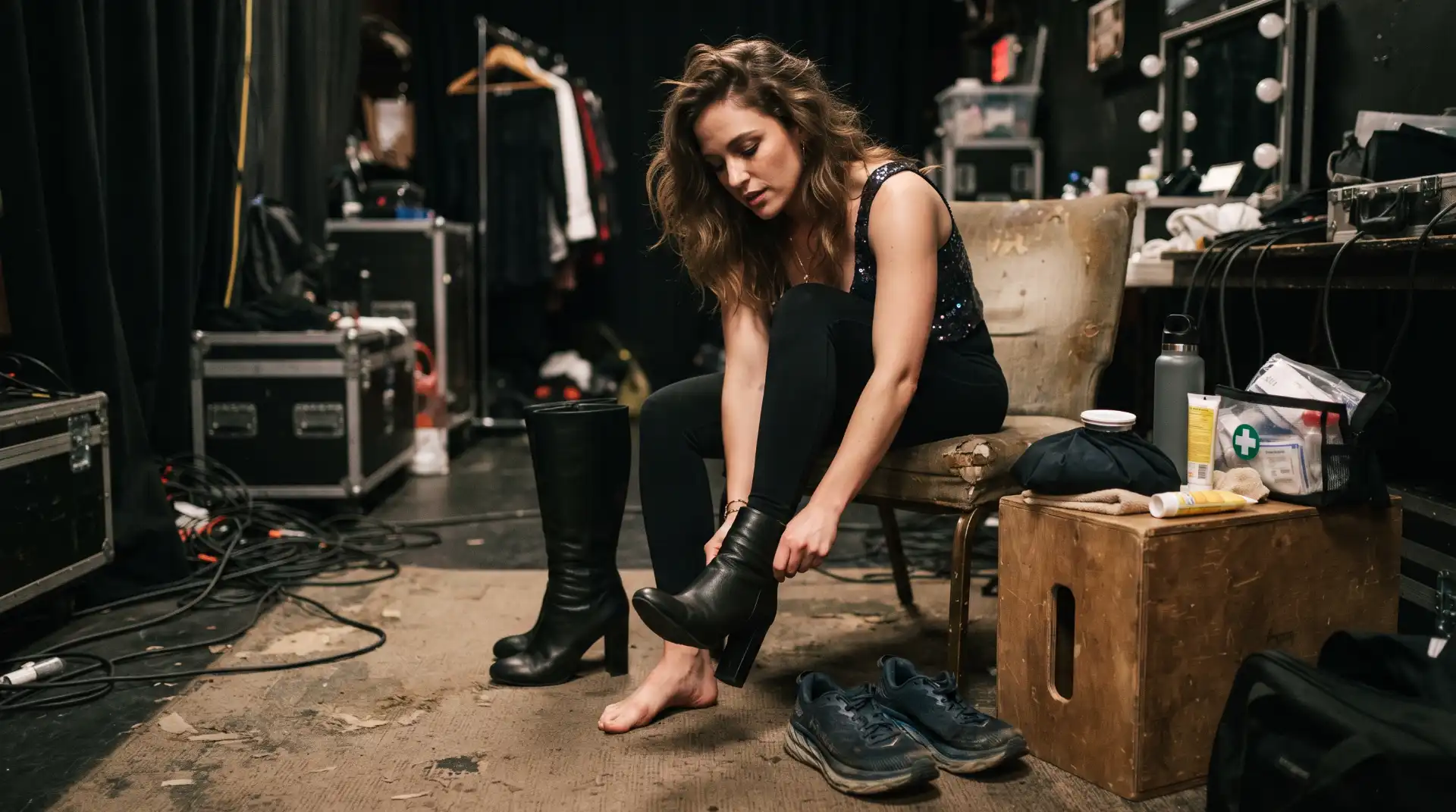
One of the most interesting aspects of Grande’s story is the difference between footwear designed for appearance and footwear designed primarily for comfort and function.
Performance shoes can serve both purposes, but there are times when those goals conflict. A high heel may complement a costume and create a particular visual effect, but a flatter shoe may provide greater stability and room for an injured foot.
That conflict is not limited to celebrities. Many people wear shoes for their appearance even when another pair would be more comfortable for walking or standing.
The important question is not whether fashionable footwear is inherently bad. Instead, it is whether the footwear is appropriate for the activity, fits correctly, and is compatible with the person’s foot health.
When an injury occurs, comfort and protection may become more important than maintaining the original appearance. Grande’s decision to change footwear during the final performances provides a clear example of that practical tradeoff.
Ariana Grande’s Foot Injury and the Physical Demands of Touring
The Eternal Sunshine Tour also demonstrates how difficult it can be to recover while maintaining a demanding professional schedule. Touring involves travel, rehearsals, performances, preparation, and repeated physical activity.
Unlike someone who can simply stay home after an injury, a touring performer may have contractual commitments and thousands of fans expecting a scheduled show. That can create pressure to continue working even when the body needs additional rest.
Grande’s response showed a practical compromise. Rather than simply abandoning the final performances, she changed her footwear and informed fans about what was happening. Her explanation helped set expectations while allowing her to continue performing.
Her situation illustrates a broader lesson about recovery: modifications can sometimes make activities more manageable, but they do not eliminate the need for healing. The right balance depends on the injury, the activity, and professional medical guidance.
How Celebrity Injury Coverage Can Be More Informative
Celebrity injury stories can easily become short entertainment headlines. A famous person gets hurt, fans react, and the story disappears within a few days. However, adding useful context can make the coverage more valuable to readers.
Grande’s foot injury is an example. The immediate news is that she suffered a deep cut, wore bandages, and switched from heels to more comfortable footwear. The broader story is about the physical demands placed on performers and how footwear can affect foot pressure and stability.
That additional context gives readers something useful even if they are not specifically interested in Grande. Someone who has experienced pain from high heels may recognize the importance of choosing more supportive footwear. Someone who spends long hours standing may learn to pay greater attention to persistent foot pain.
It also creates an opportunity to explain the difference between confirmed celebrity information and general medical knowledge. This makes celebrity health content more responsible and more useful.
Final Thoughts on Ariana Grande’s Foot Injury
Ariana Grande’s foot injury became a memorable part of the conclusion of her Eternal Sunshine Tour because it forced her to temporarily change one of the most recognizable elements of her performance style. Grande told fans that she was recovering from a deep cut, not a sprain or muscular injury, and explained that she would wear more comfortable footwear during the final London performances.
There is no verified evidence that high heels caused the cut. That distinction is important. However, her decision to stop wearing heels while recovering provides a useful opportunity to discuss the broader relationship between footwear and foot health.
High heels can change the position of the foot, increase pressure on the forefoot, crowd the toes, and affect balance. The American Podiatric Medical Association recommends lower, more stable heels and warns that high heels can contribute to ball-of-the-foot pain and ankle injuries.
Long periods of standing, walking, dancing, and performing can place additional demands on the feet. For professional performers, these demands can be repeated night after night during a tour. Comfortable and properly fitted footwear can therefore become an important part of managing physical demands, particularly when an injury has already occurred.
For everyday Americans, the lesson is equally practical. High heels do not automatically cause foot injuries, but footwear choices can influence comfort and the mechanical stress placed on the feet. People who experience persistent pain should not simply assume that discomfort is the price of wearing fashionable shoes. The APMA recommends professional evaluation when foot pain persists.
Grande’s story also demonstrates why celebrity injury reporting should focus on confirmed information. Fans can know that she suffered a deep cut and changed her footwear, but the exact circumstances behind the injury have not been publicly established. General information about high heels can explain potential foot stresses without turning those possibilities into claims about her specific injury.
Ultimately, the most useful takeaway is simple: footwear should match the activity, fit properly, and be reconsidered when pain or injury occurs. Whether someone is performing for thousands of people in London or simply spending a long evening on their feet in the United States, protecting foot health can make a significant difference in comfort, mobility, and recovery.