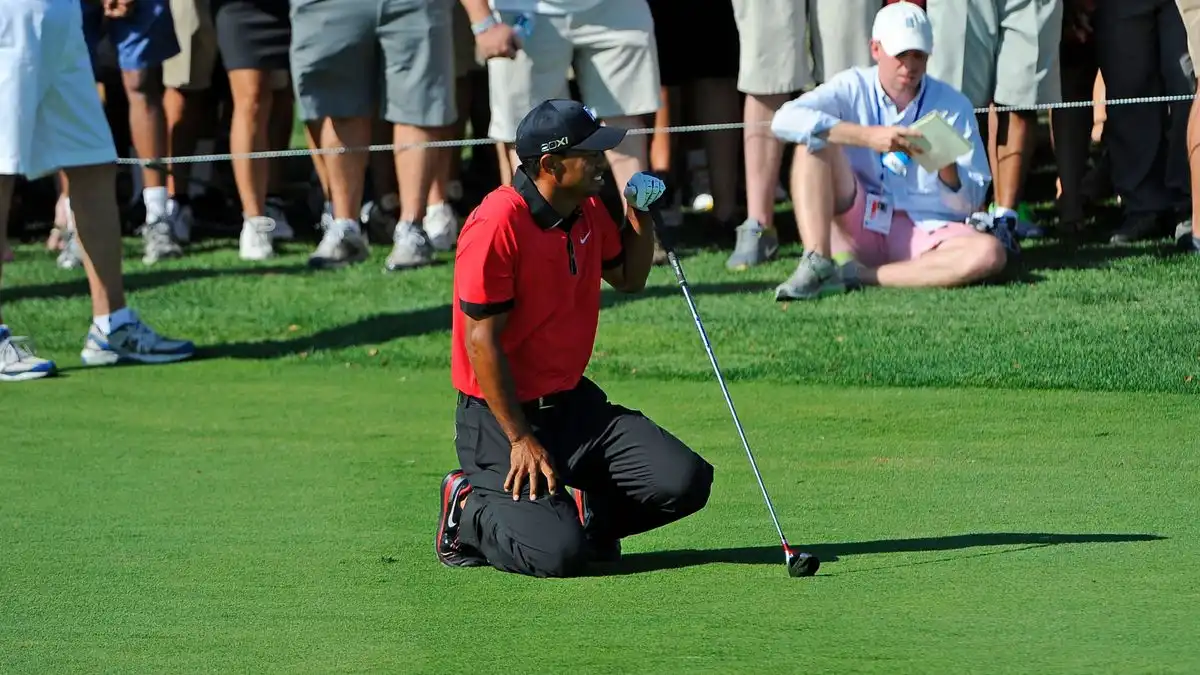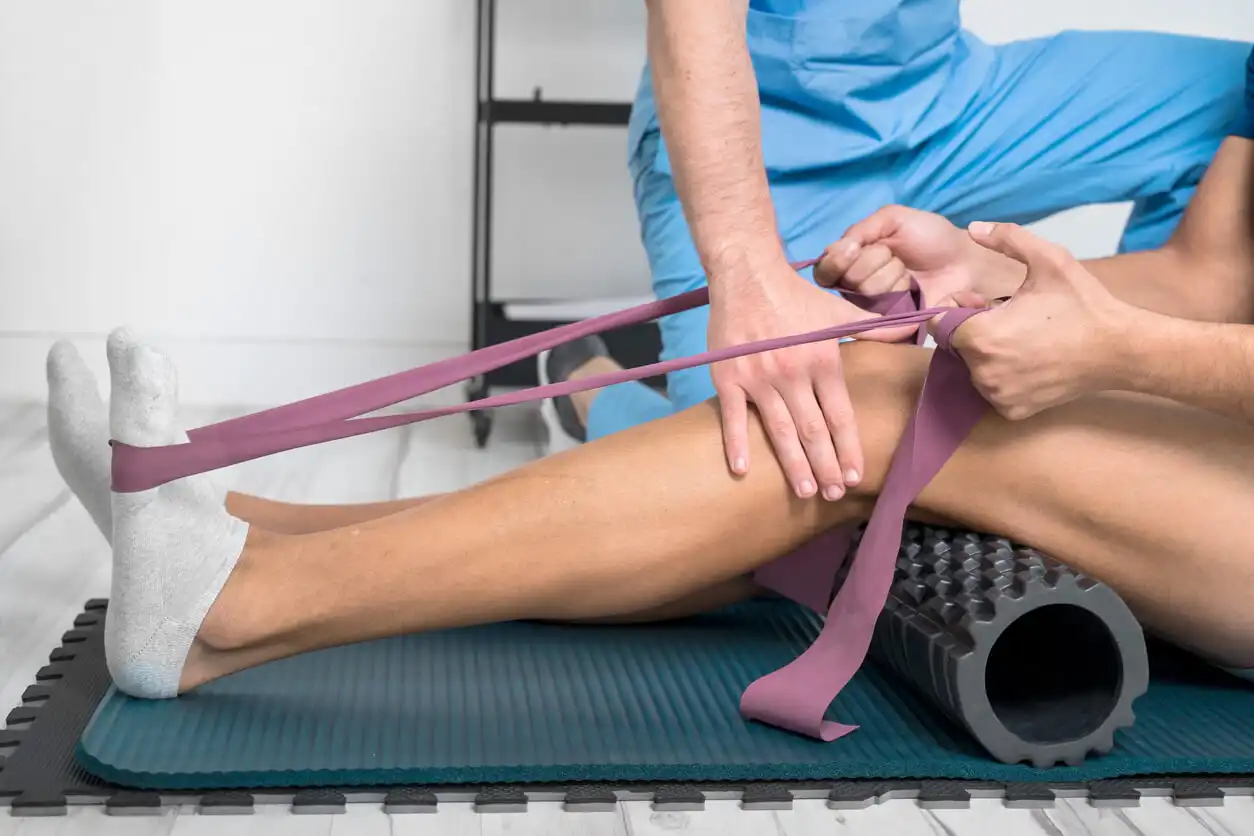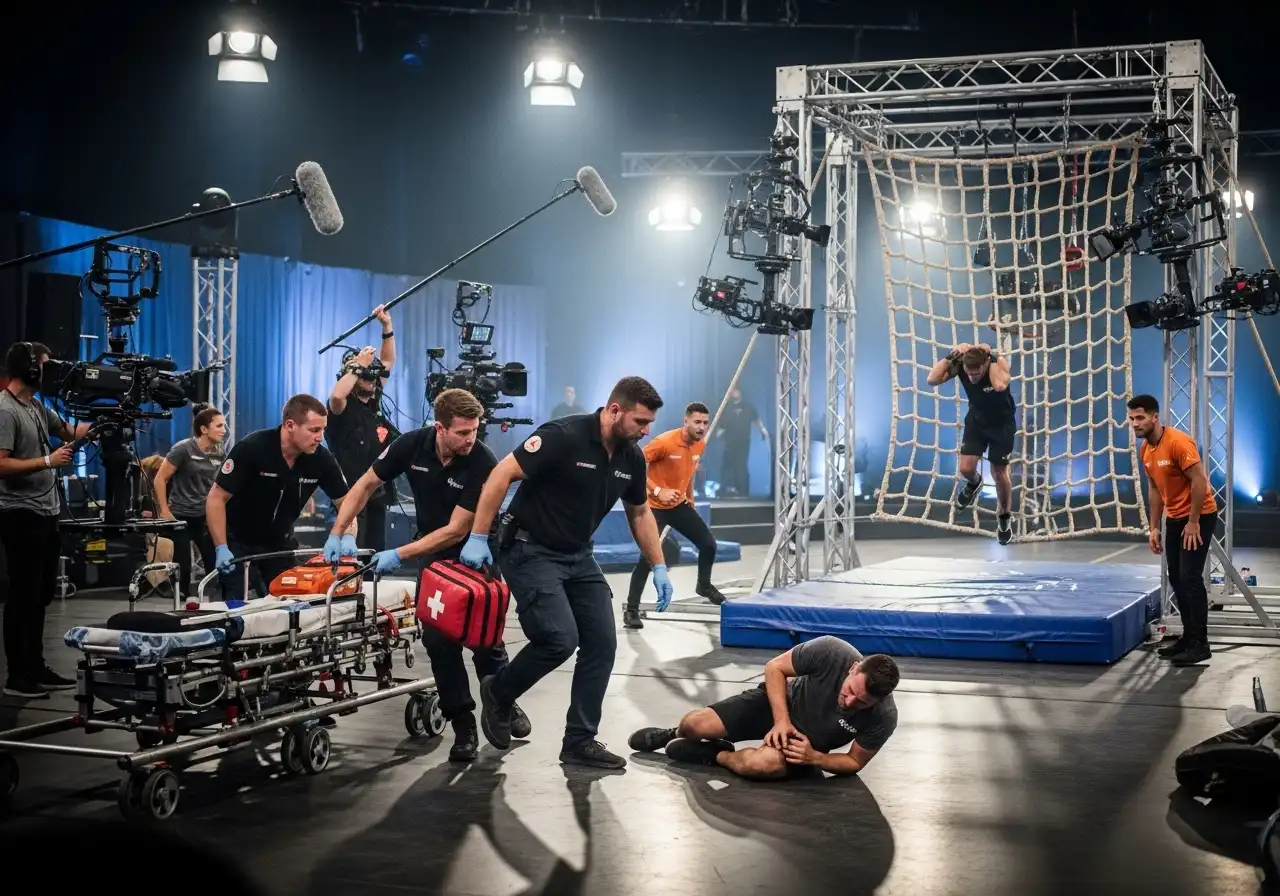
Reality TV might look like all fun, fame, and big paychecks—but behind the lights and applause are real people putting their bodies (and sometimes their careers) on the line. From slippery dance floors to obstacle courses that seem designed to break bones, celebrities have faced everything from bruises to hospital stays while filming competition shows. Let’s pull back the curtain on what really happens when stars get hurt in the name of entertainment.
Why Celebrities Join Dangerous Competition Shows Anyway
You’d think being rich and famous would be enough to avoid physical risk, right? Not quite. Many celebrities jump into reality competition shows because they crave something new—adrenaline, exposure, or even redemption in the public eye. A comeback story can do wonders for a brand, especially when it involves triumphing over something tough.
Shows like Dancing with the Stars, Special Forces: World’s Toughest Test, and Celebrity SAS: Who Dares Wins promise exactly that—a challenge and a chance to prove resilience. But what most fans don’t realize is that these shows come with significant dangers. Production crews do have safety protocols, but accidents can still happen when exhaustion, slippery surfaces, or risky stunts are involved.
The High-Risk Nature of Reality TV Competitions
Behind every thrilling episode is a mountain of physical and mental challenges. Contestants are often pushed far beyond their comfort zones. They’re training for weeks or months to perform complex moves, stunts, or endurance feats—all while being filmed from every angle.
Unlike professional athletes or stunt performers, celebrities are usually not trained for such high-impact activity. A pop star might be asked to rappel down a cliff, or a sitcom actor might have to race through fire. Add limited sleep, pressure from producers, and audience expectations, and you’ve got a perfect storm for injuries.
Common Injuries on Reality Competition Shows
- Sprains and muscle tears from overexertion
- Fractures caused by slips and falls
- Back and shoulder injuries from lifting or sudden movements
- Concussions from poorly timed stunts
- Emotional and psychological stress that lingers long after the cameras stop rolling
Famous Celebrity Injury Stories from Reality Shows
1. Beth Tweddle’s Neck Fracture on The Jump
Olympic gymnast Beth Tweddle joined the UK reality show The Jump, where celebrities compete in winter sports challenges. During filming, she suffered two fractured vertebrae in her neck after a crash on the slopes. She underwent surgery and months of recovery. Her accident sparked public outrage and led to calls for stricter safety protocols.
2. Hannah Brown’s Back Injury on Dancing with the Stars
The former Bachelorette winner Hannah Brown pushed herself to the limit while rehearsing for Dancing with the Stars. Her back injury became so severe she could barely walk between rehearsals, but she kept going to avoid letting fans down. It’s a reminder that pain often hides behind perfect performances.
3. Ashley Cain on Celebrity SAS: Who Dares Wins
Former footballer Ashley Cain spoke openly about the brutal physical and emotional toll of filming the show. From hypothermia to exhaustion, contestants endure military-level challenges that can break even the fittest participants. The mental pressure is equally intense—contestants relive trauma and push past personal limits.
4. Tayshia Adams’ Blood Clot Scare on The Challenge: USA
Bachelor Nation star Tayshia Adams revealed she developed a blood clot after filming her first reality competition show. Though unrelated to an accident, it highlighted how sudden medical issues can strike after extreme stress and travel.
Behind the Scenes: How Safe Are These Shows, Really?
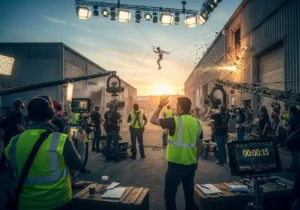
Reality competition shows operate under tight budgets and tighter filming schedules. Every extra day on set means more money, so efficiency often trumps caution. Safety experts and medics are present, but time pressure can make it difficult to test every obstacle or rehearse every stunt. Even when safety rules exist, enforcing them consistently is another story.
Many production teams require contestants to sign liability waivers, acknowledging the risk of injury. But if producers fail to provide a safe environment, they can still face lawsuits. Some insiders claim that pressure to “get the shot” sometimes outweighs concerns for safety—especially when contestants are famous enough to draw big ratings.
What Happens When a Star Gets Hurt On Set
When an injury happens, the show’s response depends on severity. For minor sprains, medics may treat the injury on set, and filming resumes. For major accidents, shooting stops entirely. Public relations teams quickly craft statements to reassure fans and limit damage.
Insurance and liability also come into play. Celebrities often have personal coverage for performance-related work, but the production’s insurance usually pays for on-set incidents. Still, navigating claims can be tricky, especially when reputations are at stake.
In some cases, shows have been criticized for how they handle these incidents. The Netflix show Squid Game: The Challenge faced allegations of unsafe conditions and contestant injuries during its production phase. Contestants described freezing conditions and inadequate medical care.
Emotional and Psychological Toll on Celebrities
Physical pain is one thing, but emotional scars can cut even deeper. Reality shows thrive on competition, conflict, and vulnerability. Contestants face harsh critiques, physical exhaustion, and public scrutiny—all broadcast for millions to see.
Imagine breaking your ankle or suffering a concussion while cameras capture every grimace, every tear. That moment becomes part of pop culture forever. Celebrities often describe a strange mix of embarrassment and pressure to stay tough, knowing that vulnerability can be edited into dramatic TV moments.
The “Perform or Perish” Mindset
Many reality stars admit to hiding injuries to avoid being replaced. They push through pain to finish a season, worried that quitting might damage their reputation or lose future opportunities. This toxic “no pain, no fame” mindset contributes to long-term damage and delayed recovery.
What Viewers Don’t See: Production Secrets and Pressure
Reality shows are meticulously planned, but producers know that danger sells. Whether it’s a slippery stage or a dangerous dance lift, a little chaos keeps audiences hooked. Contestants are often encouraged to take risks for better footage, and that sometimes crosses the line into unsafe territory.
For example, a former crew member on The Challenge revealed that time constraints and budget cuts occasionally limited safety rehearsals. Contestants were sometimes left to improvise, increasing the chance of mistakes. The same pattern shows up across international reality franchises—from Fear Factor to Survivor.
Legal Fallout: Can Celebs Sue After On-Set Injuries?
The short answer: sometimes, but it’s complicated. When celebrities sign contracts, they usually agree not to hold the network liable for most injuries. Still, if negligence is proven—say, faulty equipment or inadequate supervision they can pursue legal claims.
Past lawsuits have forced shows to rethink safety and introduce stricter standards. Networks also increase insurance coverage and require risk assessments for physically demanding scenes. However, the line between “entertainment” and “endangerment” can still blur fast.
How Productions Can Make Reality TV Safer
Safety experts say most accidents are preventable with proper planning. Here’s what responsible production teams should always do:
- Hire certified stunt coordinators and safety supervisors for all high-risk challenges.
- Require comprehensive medical screenings before filming begins.
- Enforce rest breaks and hydration, especially in extreme environments.
- Train participants before they attempt stunts or dances.
- Maintain clear emergency plans and on-set medical access.
Many networks are beginning to take this more seriously. For example, ABC’s Dancing with the Stars now uses physiotherapists during rehearsals and limits the number of high-risk lifts per routine.
Celebrity Comebacks After On-Set Injuries
For every injury story, there’s often a comeback that inspires fans. Many celebrities use recovery as part of their public narrative proof of resilience, grit, and determination. Some even become advocates for safety or injury awareness.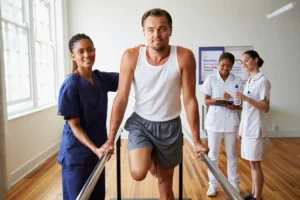
- Beth Tweddle went on to become a spokesperson for spinal injury awareness after her skiing accident.
- Hannah Brown openly discussed her recovery journey, encouraging mental and physical rest for performers.
- Tyson Beckford returned to modeling after a motorcycle crash, later advocating for helmet safety.
Recovery stories remind fans that even famous faces deal with pain and perseverance. They also show how much pressure reality TV contestants endure, both physically and mentally, to entertain audiences.
The Role of Fans and Media in Safety Awareness
Fans have more power than they realize. When viewers demand safer conditions or express outrage over dangerous stunts, producers listen. Public pressure has already forced some networks to tone down extreme challenges and hire additional safety consultants. Responsible entertainment starts with public accountability.
What You Can Do as a Viewer
- Support shows that prioritize contestant well-being.
- Engage with celebrities who speak openly about injuries or mental health.
- Think twice before celebrating “pain for ratings” moments.
Final Thoughts: Balancing Thrills and Safety
Reality competition shows aren’t going anywhere they’re addictive, emotional, and make for amazing TV. But the line between fun and harm must always stay clear. Every injury on set is a reminder that behind the fame are humans who can break, bleed, and struggle to heal like anyone else.
The next time you see a celebrity scaling a wall, diving into cold water, or pushing through exhaustion, remember: those smiles often hide real pain. As fans, we can cheer for bravery, but we should never cheer for recklessness.