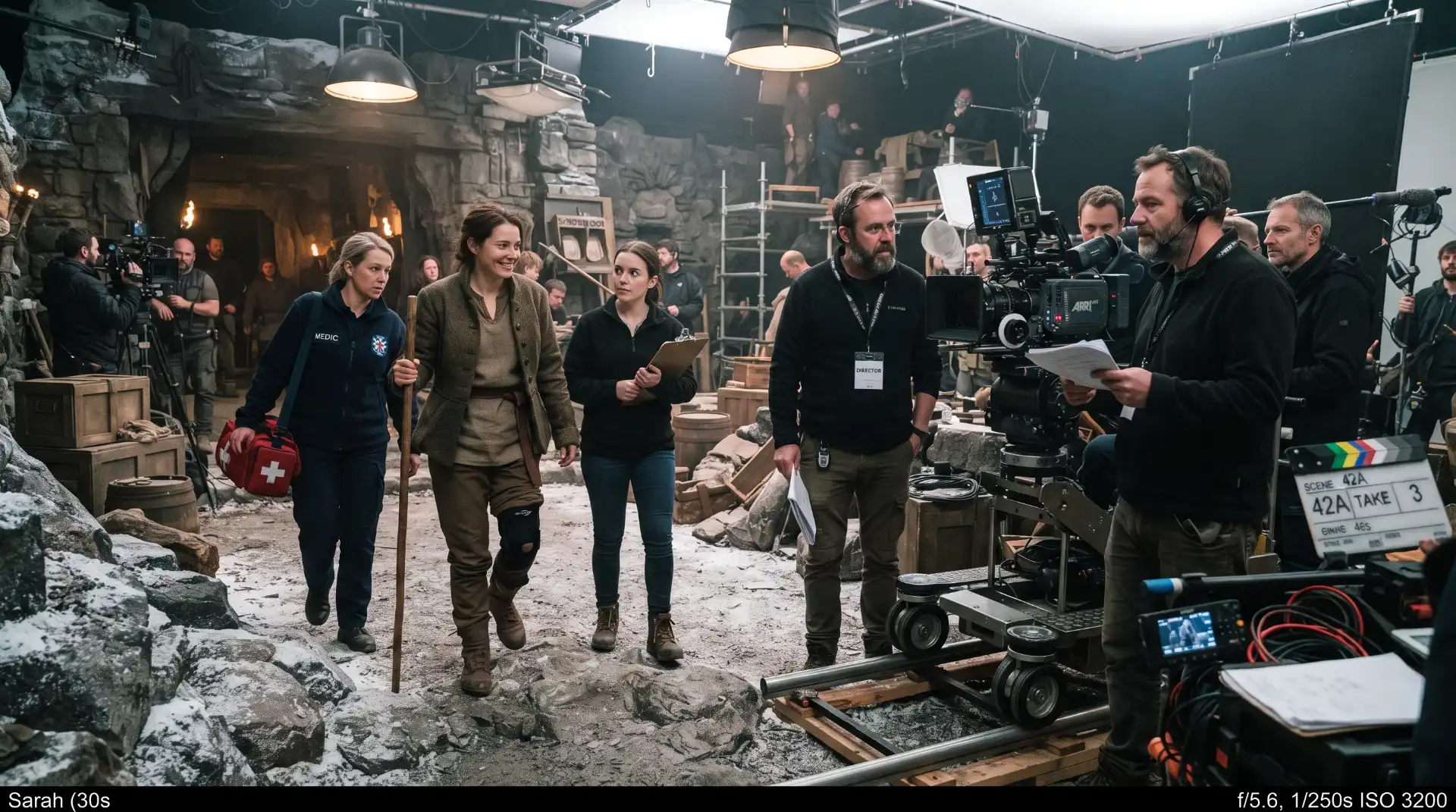
Celebrities may return to work before an injury fully heals because productions, tours, teams, contracts, and public expectations create unusual pressure. Some also return for emotional, financial, or career reasons. A carefully modified schedule can support recovery, but resuming visible work does not necessarily mean someone has received clearance for every normal duty.
A performer appears on a red carpet with a walking boot. An actor resumes filming while wearing a brace between scenes. A musician sits through a concert instead of moving across the stage. A professional athlete joins practice but avoids full contact. To fans, these moments can look like remarkably fast recoveries. Behind the scenes, however, the person may still be receiving treatment, managing pain, and working under significant restrictions.
Celebrity work rarely resembles a conventional nine-to-five job. A single absence can affect hundreds of crew members, a live audience, a television schedule, or a sports organization. At the same time, fame does not change the biology of healing. Bones, tendons, muscles, ligaments, and the brain still need time and appropriate care. Understanding the difference between returning to some work and being fully recovered helps place celebrity comeback stories in a more realistic context.
Returning to Work Is Not the Same as Being Fully Healed
Recovery is usually a progression rather than a single finish line. A person may be medically stable enough to perform limited tasks while remaining unable to complete more demanding ones. An actor might deliver dialogue but avoid running. A singer might rehearse while seated. An athlete might attend meetings and perform controlled exercises without joining a game.
This distinction is central to understanding early returns. The phrase “back at work” may describe a wide range of activity. It could mean a brief promotional interview, several hours of light filming, a reduced rehearsal, or a carefully supervised training session. None of those activities proves that the injured tissue has regained full strength or that symptoms have disappeared.
The U.S. Department of Labor treats staying at work and returning to work as processes that may involve coordination and support. The approach recognizes that many people can remain connected to employment without immediately resuming every previous responsibility. That principle also applies to entertainment and professional sports, even though celebrity workplaces are unusually visible.
Why the Pressure Can Be So Intense
Productions Depend on Tight Schedules
Film and television schedules involve locations, sets, equipment, permits, and large crews. Delaying a leading performer’s scenes can disrupt work across multiple departments. Rescheduling may be especially difficult when a location is available for only a short period or other cast members have conflicting commitments.
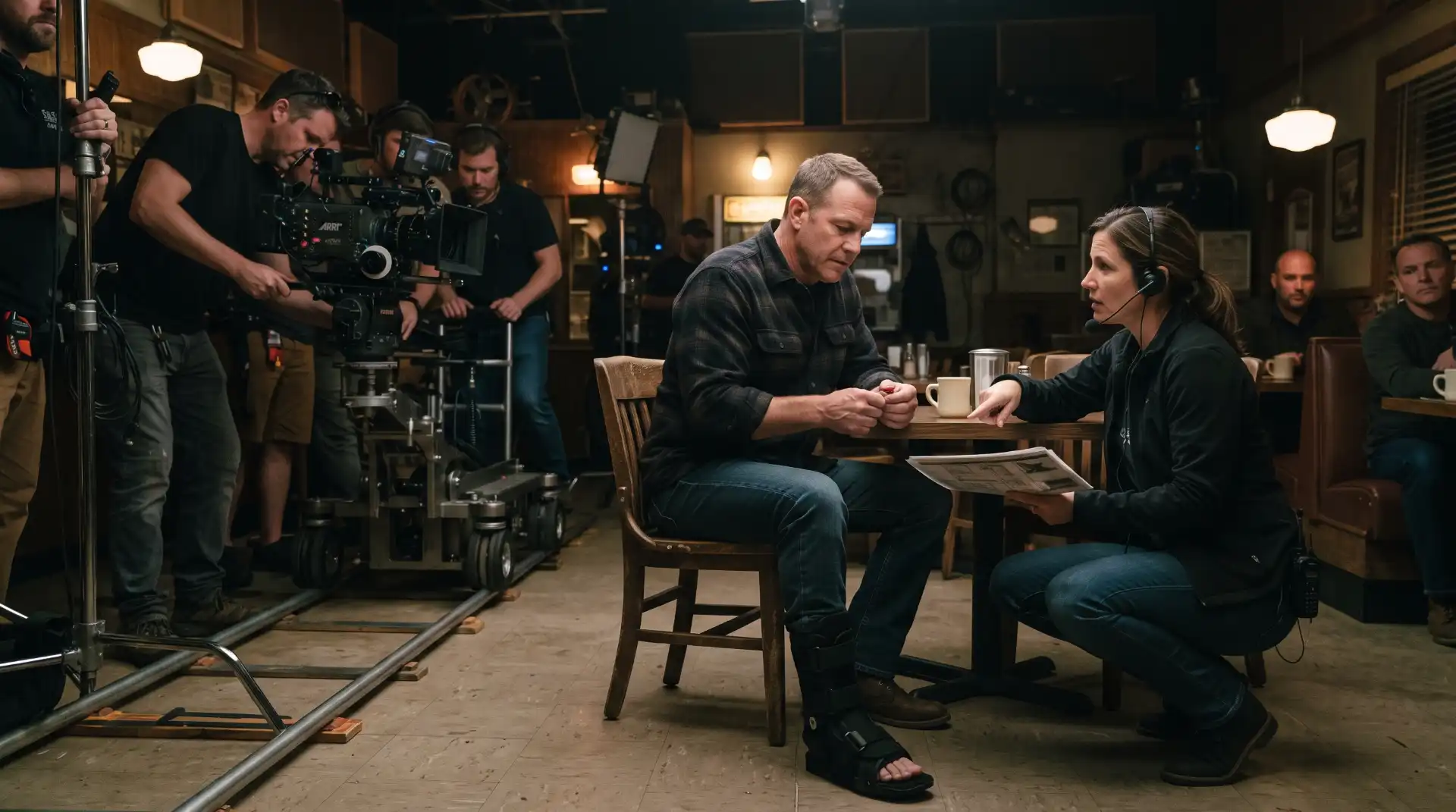
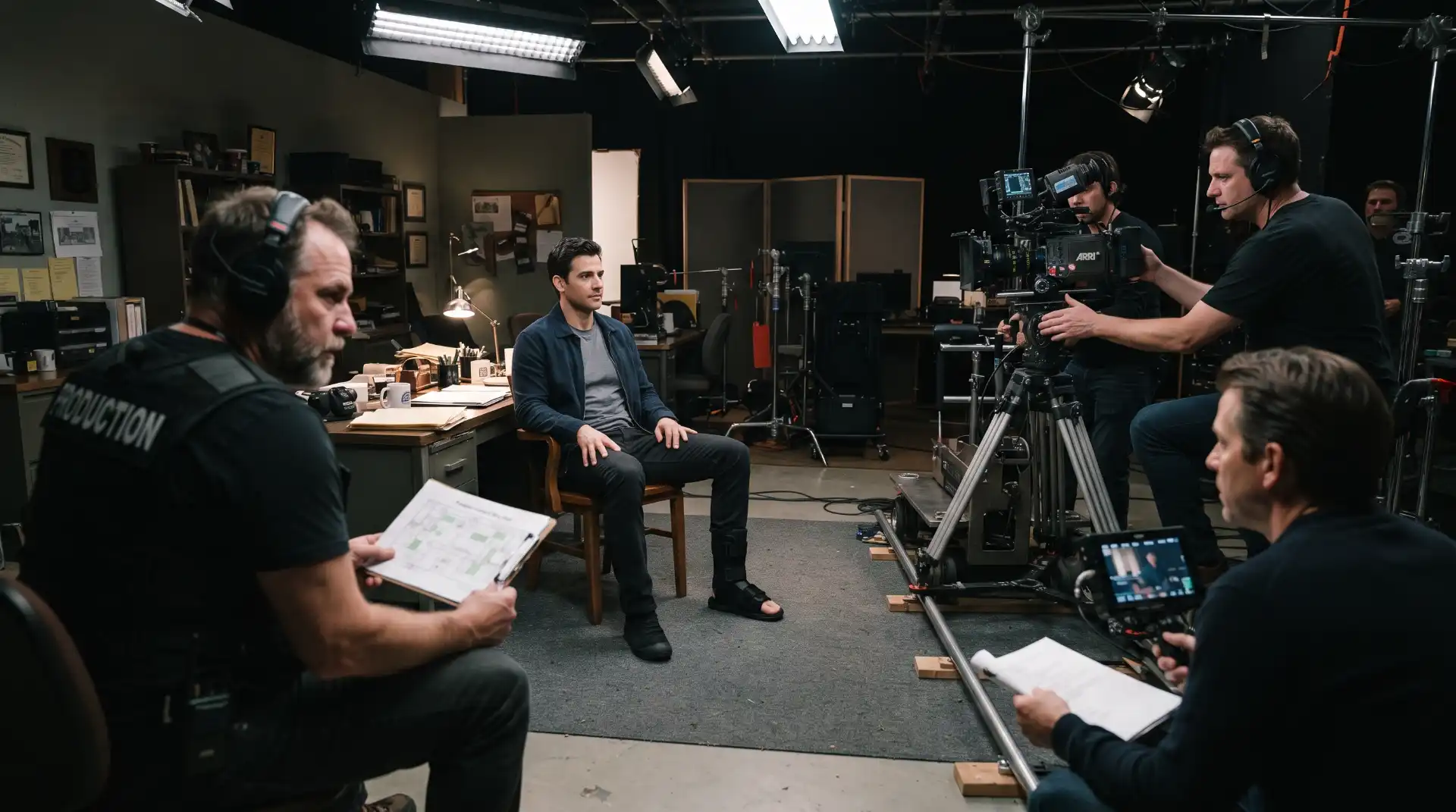
A production may therefore reorganize scenes around the injury. Close-ups can be filmed while physically demanding material is postponed. Blocking can change so the performer sits or stands in one place. Costumes may conceal a brace, cast, or supportive device. Camera angles and editing may also reduce the need for movement.
These adjustments can create the impression that nothing changed. In reality, the entire workday may have been redesigned around medical restrictions. CelebrityInjuries.com has explored the physical preparation behind demanding performances in its article on how celebrities prepare for physically demanding roles. The same coordination becomes even more important when a performer returns while still recovering.
Concerts and Tours Carry Major Commitments
Touring artists face a different form of pressure. Concerts are tied to venue bookings, transportation, local staffing, ticket sales, and complex stage production. Canceling one show may affect the next stop because the entire operation moves on a fixed route.
Some musicians change the performance instead of canceling it. They may sit, reduce choreography, shorten a set, avoid instruments that aggravate an injury, or rely more heavily on dancers and supporting performers. These choices can keep a tour moving, but they do not eliminate the physical demands of travel, sound checks, media appearances, and repeated performances.
Travel itself can complicate recovery. Long periods of sitting, disrupted sleep, changing time zones, and limited access to familiar clinicians can add strain. A successful appearance onstage may reveal little about the treatment and rest required before and after the show.
Athletic Careers Operate on Short Timelines
Professional athletes often have short competitive windows. Seasons continue during rehabilitation, roster decisions keep moving, and major events may happen only once each year. The desire to help a team or protect a position can make an early return emotionally compelling.
Sports medicine teams commonly use progressive stages. An athlete may move from individual rehabilitation to limited practice, then full practice, and eventually competition. Public footage from one stage can be misunderstood as proof that the athlete is ready for the final one.
The site’s discussion of lessons from celebrity sports injuries provides useful context. Talent and access to professional care do not remove risk. They may instead allow a more closely monitored return with training loads adjusted to the athlete’s current capacity.
Career Momentum and Public Visibility Matter
Entertainment careers depend partly on visibility. A long absence may mean missing an awards campaign, release window, casting opportunity, sponsorship commitment, or cultural moment. Celebrities may worry that audiences and decision-makers could move on while they recover.
This pressure is not always imposed by a studio, label, team, or sponsor. Public figures may place it on themselves. Many have built their identities around reliability, stamina, or physical excellence. Stepping away can feel like losing control, particularly when an injury arrives during a major career opportunity.
Social media intensifies the situation. Fans expect frequent updates, while speculation can fill any information gap. A celebrity may make a limited appearance partly to reassure the public, support a project, or control the story. That appearance may be work, but it may also be a carefully timed part of a larger recovery plan.
Financial Pressure Does Not Disappear With Fame
People often assume every celebrity has unlimited resources. In practice, income and financial security vary widely. Performers may support employees, pay agents and managers, maintain businesses, or depend on work that arrives in unpredictable cycles. Athletes may have guaranteed compensation in some circumstances and performance-based opportunities in others.
Contract terms can also shape the decision. Agreements may address postponements, insurance, medical examinations, promotional obligations, and conduct. The details are usually private, so outsiders should avoid assuming that a specific celebrity returned because of a penalty or threat. Still, the broader commercial network surrounding high-profile work creates strong incentives to find a workable path back.
Financial motivation does not automatically make a return unsafe. It simply forms part of the decision. The relevant question is whether the actual duties match the person’s current functional abilities and medical restrictions.
The Emotional Benefits of Meaningful Work
Work can provide routine, identity, purpose, and social connection. An injured celebrity may want to return because isolation feels harder than a controlled workday. Rejoining a cast, band, crew, or team can also restore a sense of normal life after a frightening event.
Research on return to work recognizes that physical health is only one part of the picture. Psychological factors, including anxiety and distress, can affect a person’s path back after an injury. A supportive workplace may help, while an inflexible or high-pressure environment may create additional difficulty.
There is also a middle ground between complete absence and full performance. Limited work may support morale when it is chosen thoughtfully and does not conflict with treatment. The goal is not to prove toughness. It is to find duties that fit the person’s present capacity.
Modified Duties Can Make an Earlier Return Possible
A return before complete healing often depends on modifications that audiences never see. These changes vary according to the injury and the job. They may include shorter days, additional breaks, remote meetings, altered choreography, fewer takes, seated performances, lighter equipment, or delayed stunt work.
The production can also change rather than asking the injured person to push harder. A body double may handle certain movements. Scripts can be revised. Rehearsals can happen in smaller blocks. Promotional interviews may take place remotely. Travel can be reduced, and treatment can be built into the schedule.
The National Institute for Occupational Safety and Health emphasizes worker recovery and ways workplaces can support musculoskeletal health. Although a movie set or concert stage differs from a conventional workplace, the underlying idea remains relevant: work design can either reduce or increase the demands placed on an injured person.
For some injuries, graduated activity is part of rehabilitation. That does not mean every activity is appropriate. The timing, intensity, and progression depend on the diagnosis, symptoms, job demands, and guidance from qualified clinicians.
Why Returning Too Quickly Can Create Problems
An early return becomes concerning when job demands exceed current medical restrictions or symptoms are hidden. Pain can change movement patterns, concentration, reaction time, and endurance. Fatigue may also build across repeated workdays, even when a single appearance seems manageable.
Compensation patterns present another issue. Someone protecting an injured knee may place additional stress on the opposite leg, hips, or back. A performer with limited shoulder motion may alter technique and overload another area. These changes do not guarantee a new injury, but they can affect safe performance.
Concussions require particular caution because symptoms may be invisible. Headache, dizziness, light sensitivity, slowed thinking, sleep changes, and difficulty concentrating can interfere with work even when the person looks physically well. The Centers for Disease Control and Prevention advises a gradual return to regular activities based on symptoms and medical guidance after a mild traumatic brain injury.
Medication can also affect readiness. Some prescription pain medicines may cause drowsiness or impaired coordination. A person might be able to attend a meeting but not safely drive, perform a stunt, use equipment, or complete complex choreography. Medical privacy means fans rarely know all these details.
Medical Clearance Has Limits
“Cleared to work” sounds definitive, but clearance may include conditions. A clinician can approve specific duties, hours, or movements while restricting others. Clearance can also change if symptoms return or the person does not tolerate the workload.
Medical professionals assess the individual, but productions and teams must accurately describe the job. A return plan becomes more useful when clinicians understand the physical demands involved. Standing under hot lights for ten hours, repeating a dance sequence, wearing heavy costumes, or traveling overnight may not be obvious from a job title alone.
No outsider can determine a celebrity’s medical readiness from photographs or short videos. A brace does not necessarily mean the person should remain home, and the absence of a brace does not prove complete recovery. Reliable conclusions require clinical information that the public usually does not have.
The Role of Unions, Employers, and Safety Teams
Celebrity work is still work. Producers, studios, venues, leagues, and other organizations have responsibilities related to workplace safety. In the United States, the Occupational Safety and Health Administration explains that workers have rights related to safe conditions and reporting hazards. The exact rules and contractual protections depend on the worker’s classification, location, union coverage, and circumstances.
Unions and guilds may help address working hours, rest, safety procedures, and disputes. On a production, an on-set medic, stunt coordinator, athletic trainer, physical therapist, or other professional may participate in planning. These roles differ, but each can provide information relevant to safer work.
A supportive environment makes honest communication easier. If a celebrity fears replacement or criticism, they may minimize symptoms. If the team treats restrictions as normal parts of recovery, the person may be more comfortable reporting pain, fatigue, or reduced function before a problem escalates.
Why Fans Often Misread a Celebrity Comeback
Celebrity coverage compresses recovery into a simple storyline: injury, struggle, and triumphant return. Real recovery is usually less tidy. Progress can pause. Symptoms can fluctuate. A person may complete a public event and need substantial rest afterward. Another may look cautious at first and improve steadily.
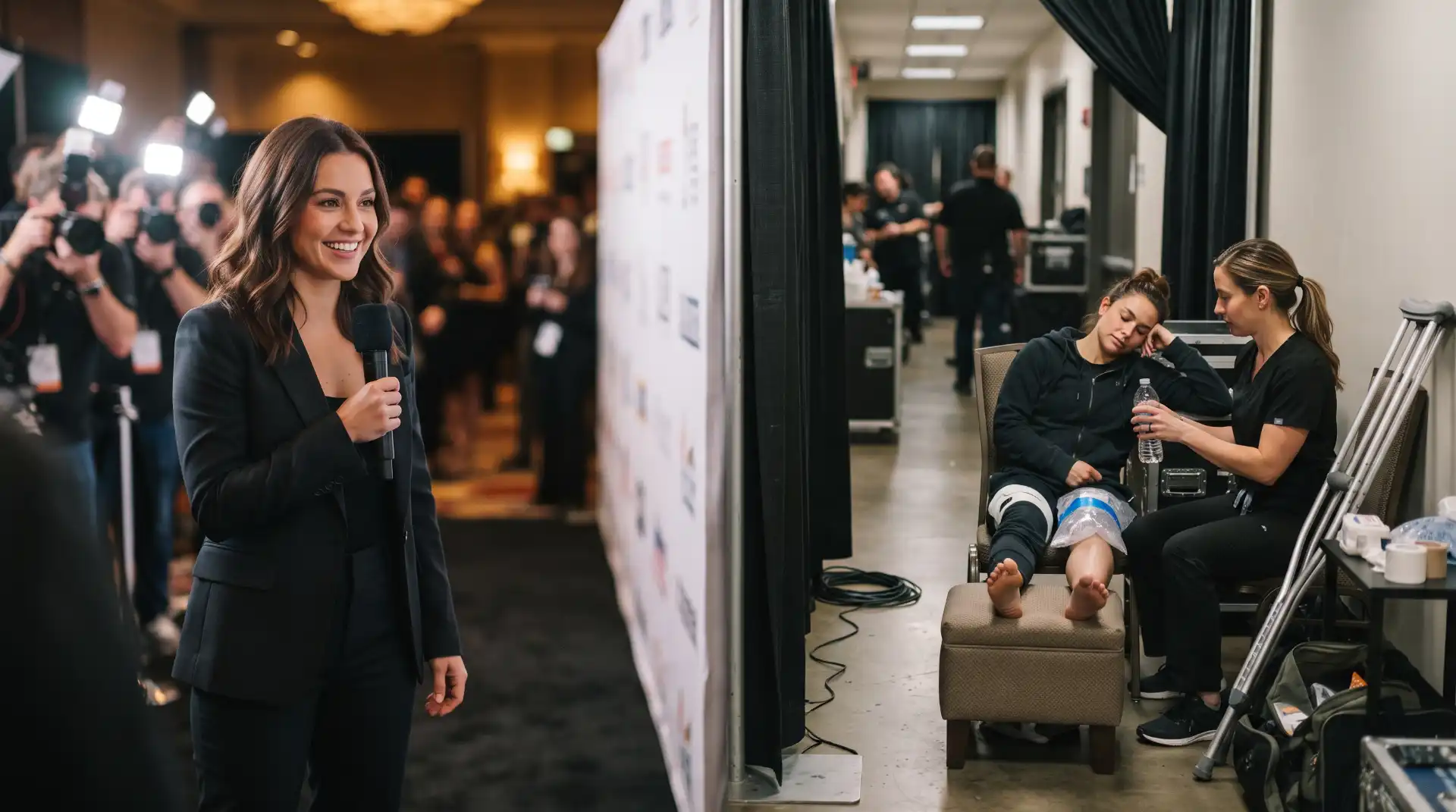
Edited video also hides accommodations. Viewers do not see the shortened call time, altered sequence, ice packs between takes, physical therapy sessions, or transportation assistance. They see the finished performance, which is designed to appear seamless.
This gap can create unrealistic expectations for ordinary people. Access to private clinicians, home equipment, nutrition support, transportation, and flexible scheduling can change the recovery environment. Even with those resources, biological healing still takes time. The site’s overview of celebrity injuries and comebacks illustrates why a return is better understood as one stage in a longer process rather than the final proof of recovery.
What a Safer Return Can Look Like
A thoughtful return usually involves clear medical guidance, accurate information about the job, and a plan that can change. The person and work team need to understand which tasks are permitted, which remain restricted, and what symptoms should prompt reassessment.
Workload matters as much as the type of task. A movement that feels manageable once may become difficult after many repetitions. A two-hour rehearsal differs from an eight-hour shoot. Travel, sleep, medication, stress, and treatment schedules can influence how the person responds.
Good plans also preserve room to step back. Recovery is not a test of character, and a symptom flare does not automatically mean failure. Adjusting hours, postponing a scene, or leaving practice early can be appropriate responses to new information.
For celebrities, privacy complicates public understanding. They may share only part of the plan, and they have no obligation to disclose every diagnosis or treatment detail. Fans can respect that boundary while recognizing that visible work may be only one carefully managed part of recovery.
What Readers Can Learn From These Stories
The most useful lesson is not that people should hurry back because a celebrity did. It is that return-to-work decisions are individualized. Two people with similar diagnoses may have different symptoms, duties, access to care, and recovery timelines.
Readers can also separate motivation from medical readiness. Dedication may help someone engage with rehabilitation, but determination alone cannot repair tissue or eliminate neurological symptoms. Pain tolerance is not the same as safe function.
Anyone recovering from an injury can benefit from giving a clinician a realistic description of work demands. That description may include lifting, standing, driving, screen exposure, noise, travel, repetitive movement, or unpredictable hours. A job title by itself often leaves out the details that matter.
When an employer offers temporary changes, an earlier and more manageable return may be possible. When modifications are unavailable, additional leave may be appropriate. Individual medical guidance should direct the choice.
Frequently Asked Questions
Does returning to work mean a celebrity has fully recovered?
No. A celebrity may return for limited hours or modified duties while rehabilitation continues. Public appearances provide little information about medical restrictions, symptoms, or treatment.
Can working during recovery ever be appropriate?
Yes. Some people can safely perform selected duties before healing is complete. The decision depends on the injury, current function, job demands, and medical guidance.
Why do actors keep filming while injured?
Productions may face scheduling and financial pressure, while actors may want to maintain career momentum or support colleagues. Scenes, hours, movements, and camera setups can sometimes be modified around restrictions.
Why do celebrity recovery timelines seem unusually fast?
Fans usually see selected moments rather than the full process. Celebrities may also have extensive treatment resources, flexible schedules, and teams that redesign work. None of those factors makes biological healing instant.
What is the biggest risk of returning too soon?
The concern is that work demands may exceed current capacity, aggravate symptoms, or create unsafe movement and fatigue. Risks vary considerably by diagnosis and activity.
Final Thoughts
Celebrities sometimes return to work before their injuries fully heal because their careers involve complex schedules, large teams, public expectations, and limited windows of opportunity. Emotional and financial considerations can also shape the choice.
An early return is not automatically unsafe, and time away is not a sign of weakness. The quality of the plan matters. Modified duties, honest symptom reporting, appropriate medical guidance, and flexibility can help align work with the person’s current abilities.
The next time a celebrity appears back on set, onstage, or at practice soon after an injury, the most accurate conclusion may be the simplest one: the person has returned to some form of work. Their recovery may still be unfolding away from the cameras.