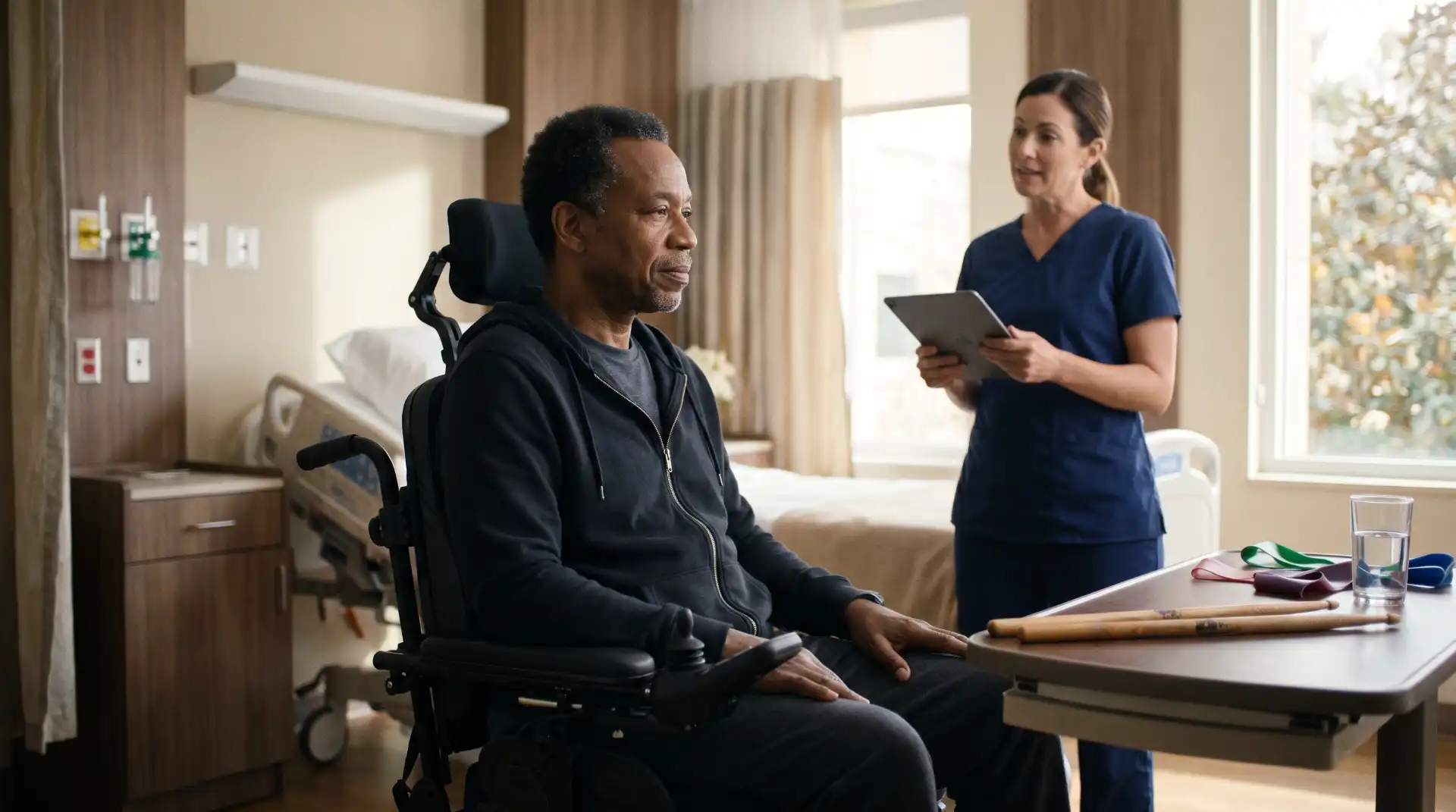
John Paris’s spinal cord injury has become one of the most concerning celebrity health stories of 2026. The longtime drummer for Earth, Wind & Fire spent more than two months in a San Francisco hospital after suffering a serious medical emergency shortly before a scheduled concert. His eventual transfer to a rehabilitation facility represented an important milestone, but it also marked the beginning of a new and demanding stage of recovery.
For fans who have followed Earth, Wind & Fire throughout its decades of musical success, the news was particularly difficult. Paris is not simply a touring musician who occasionally joins a performance. He has been part of the band’s musical lineup since 2001, contributing to its live performances and recordings while helping maintain the rhythm behind some of its best-known songs.
The latest updates have brought attention to an issue that extends far beyond the entertainment industry: what happens when a serious medical emergency is followed by a spinal cord injury, an extended hospital stay, and the need for intensive rehabilitation?
Although Paris’s family has not disclosed all the medical details surrounding his condition, his experience provides an opportunity to examine spinal cord injuries, emergency treatment, neurological complications, rehabilitation, and the financial challenges that can follow a prolonged medical crisis.
It is important to distinguish his publicly confirmed circumstances from general medical information. The exact location and severity of his spinal cord injury, whether he has paralysis, and his ultimate recovery prospects have not been publicly established. His rehabilitation should therefore be understood as an ongoing process rather than evidence of a particular medical outcome.
What Happened to Earth, Wind & Fire Drummer John Paris?
The medical emergency involving John Paris occurred on August 6, 2026, in San Francisco, California. Earth, Wind & Fire was scheduled to perform at Chase Center with Lionel Richie as part of the groups’ concert tour.
The performance was expected to attract a large audience, but an unexpected medical emergency changed the evening’s plans. Emergency responders were called to the venue, and one person was transported to a nearby hospital in critical condition. Subsequent reporting identified Paris as the band member who had experienced the emergency.
The concert was postponed shortly before its scheduled start, leaving fans surprised and concerned. News of the incident quickly circulated because the event involved two internationally recognized musical acts and had been heavily anticipated.
Early reports described the incident as cardiac-related, although the precise medical circumstances were not fully established in the initial public updates. Paris’s condition was serious enough that he required an extended hospital stay and intensive medical care.
His family and friends subsequently began sharing updates through a support initiative called Standing With John Paris. The updates helped fans understand that the situation was more complicated than a short hospitalization.
A Medical Emergency That Required Extensive Hospital Care
Paris remained hospitalized in San Francisco for more than two months. During that period, reports indicated that he underwent two major surgeries and was placed in medically induced comas on two occasions.
A medically induced coma is a controlled state of unconsciousness produced through medication. In certain critical-care situations, doctors may use deep sedation as part of a broader treatment strategy. The decision depends on the patient’s condition, treatment requirements, and the potential benefits and risks.
Paris’s family-backed updates indicated that doctors had to manage serious complications, including breathing difficulties and elevated blood pressure. He reportedly experienced periods of increased responsiveness, followed by additional medical challenges that required continued intensive care.
One particularly emotional moment occurred when Paris briefly regained consciousness and asked about his wife, Kathy Merrick. The moment provided encouragement to family members and friends who had spent considerable time at his bedside.
However, temporary improvements did not mean that his medical crisis was over. He continued requiring treatment, monitoring, and additional support.
By October 2026, the family announced that he had left the hospital and entered rehabilitation. According to reporting by the San Francisco Chronicle and other outlets, the transition was a significant milestone, although a lengthy recovery remained ahead.
The Spinal Cord Injury Becomes Public
The extent of Paris’s medical ordeal became clearer when his supporters disclosed that he had suffered a spinal cord injury.
This information significantly changed how the public understood his recovery. A prolonged hospitalization following a cardiac-related emergency was already concerning, but a spinal cord injury introduced additional questions about mobility, neurological function, independence, and the possibility of returning to everyday activities.
The family did not publicly identify the precise spinal level involved or explain how much neurological function had been affected.
That distinction is important because spinal cord injuries vary considerably. Some people experience temporary or incomplete neurological problems, while others develop permanent changes in movement, sensation, and bodily functions.
Without a detailed medical statement, it would be irresponsible to assume that Paris has a particular form of paralysis or that he will permanently lose specific abilities.
What is known is that rehabilitation became necessary and that his family described his recovery as a lengthy process focused on regaining as much independence as possible.
Understanding What a Spinal Cord Injury Means
The spinal cord is one of the most important structures in the human nervous system. It serves as the primary communication pathway between the brain and much of the body, carrying signals that help control movement, sensation, and other essential functions.
The spinal cord is protected by the vertebral column, a series of bones that form the spine. Despite this protection, the cord can be damaged through trauma, compression, reduced blood supply, inflammation, or certain medical complications.
A spinal cord injury can affect different parts of the body depending on where the damage occurs and how extensive it is.
For example, an injury involving the cervical spinal cord in the neck can affect the arms, hands, trunk, and legs. An injury lower in the thoracic region may primarily affect the trunk and lower body. Injuries involving the lumbar region or nerve structures below the spinal cord can produce different patterns of weakness, sensory changes, and functional limitations.
This is why knowing that someone has a spinal cord injury does not automatically reveal what that person can or cannot do.
Traumatic and Non-Traumatic Spinal Cord Injuries
Many people associate spinal cord injuries with vehicle collisions, falls, sports accidents, and other physical trauma. These incidents can fracture vertebrae, dislocate spinal structures, or directly damage nervous tissue.
However, not every spinal cord injury begins with a conventional accident.
Non-traumatic spinal cord injuries may develop because of conditions affecting the spinal cord or its blood supply. Examples include tumors, infections, inflammation, vascular problems, and certain complications involving the nervous system.
The distinction matters when discussing Paris’s medical history.
His spinal cord injury was disclosed during updates about his hospitalization, but the public information does not establish precisely how or when the injury developed. It should not be assumed that he experienced a vehicle collision, fall, or another specific traumatic event.
A serious medical emergency can involve multiple complications, and only his medical team would have access to the information needed to explain the relationship between his initial condition and the spinal injury.
Complete and Incomplete Spinal Cord Injuries
One of the most important distinctions in spinal cord medicine involves whether an injury is classified as complete or incomplete.
A complete spinal cord injury generally means that sensory and motor function are absent below the neurological level of injury in the relevant spinal cord segments. An incomplete injury means that some sensory or motor function remains.
These classifications are determined through clinical neurological examinations, not photographs, news reports, or assumptions about a patient’s mobility.
People with incomplete injuries may retain varying degrees of movement or sensation. Some experience significant weakness but can still move certain muscles. Others may regain or maintain abilities that are essential for walking, transferring, or performing daily activities.
The outcomes differ widely.
Even among people with injuries at similar spinal levels, recovery can vary because of differences in the extent of damage, other medical conditions, complications, and rehabilitation progress.
For this reason, the public should avoid interpreting Paris’s move into rehabilitation as proof of either a complete recovery or a permanent disability.
 Why Rehabilitation Is Such an Important Milestone
Leaving the hospital after a prolonged medical crisis is an important achievement, but it does not necessarily mean that a patient has returned to normal health.
Acute hospital treatment generally focuses on stabilizing the patient, managing immediate complications, supporting essential bodily functions, and addressing conditions that require intensive medical attention.
Rehabilitation has a different emphasis.
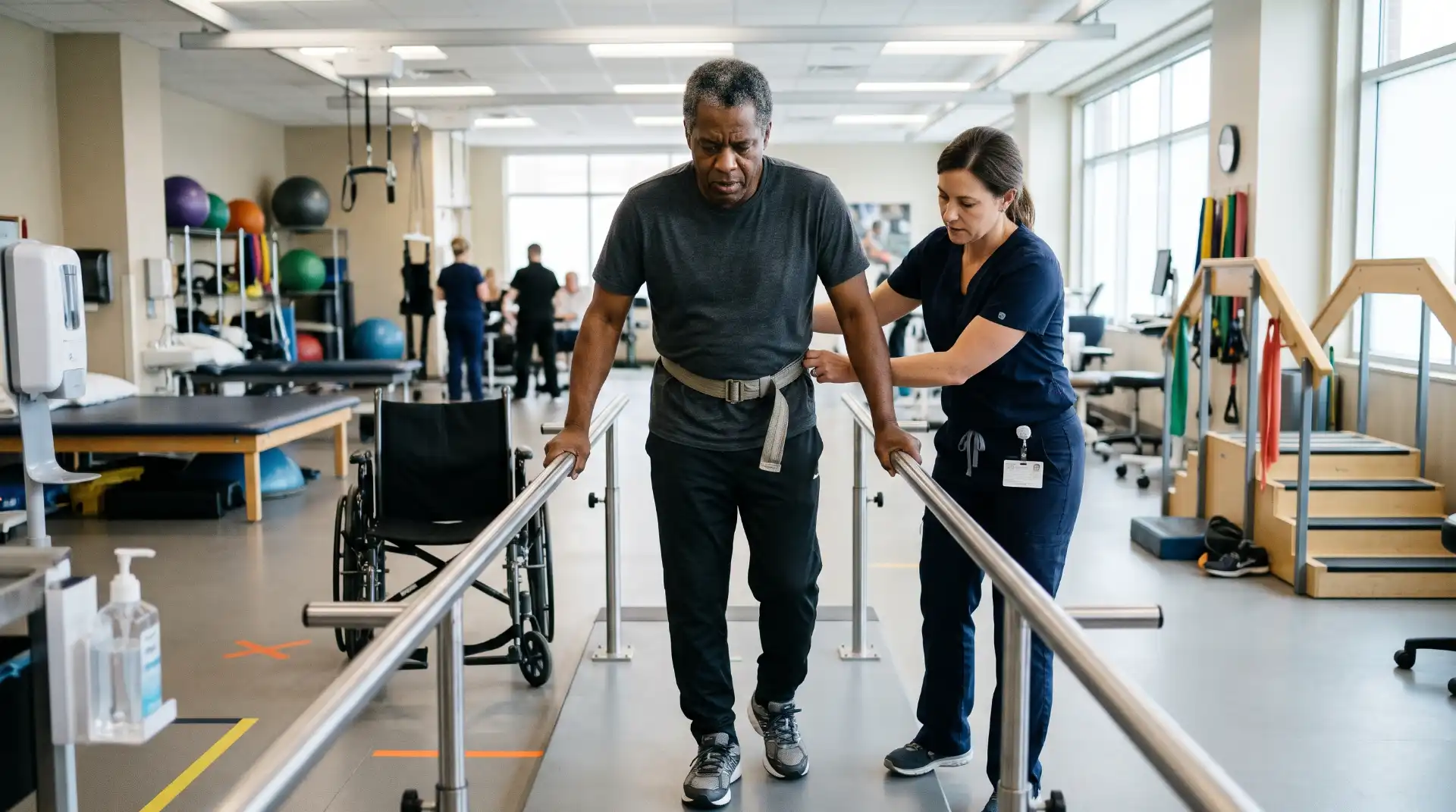
Once a patient is medically stable enough to participate, rehabilitation focuses on maximizing functional ability, developing new strategies for everyday activities, managing complications, and improving independence.
For someone recovering from a spinal cord injury, rehabilitation can involve a combination of physical therapy, occupational therapy, nursing care, psychological support, and specialist medical treatment.
Paris’s transition into rehabilitation is particularly significant because his prolonged hospitalization suggests that his recovery involves more than simply recovering from a short-term illness.
Physical Therapy and Rebuilding Functional Ability
Physical therapy is often one of the central components of spinal cord injury rehabilitation.
Depending on a patient’s condition, therapists may work on maintaining joint movement, improving muscle strength, developing balance, practicing transfers, and building endurance.
Early sessions may involve relatively simple activities. A patient who has spent weeks in a hospital bed may initially need assistance sitting upright, maintaining posture, or moving safely between different positions.
As the patient becomes stronger and more medically stable, the rehabilitation team may introduce additional activities.
For some patients, this can include standing exercises, supported walking, wheelchair mobility, or specialized equipment designed to help restore or maintain movement.
The purpose is not to force someone through a predetermined recovery schedule. Instead, therapists evaluate progress and adjust treatment according to the individual’s abilities and medical needs.
For a professional musician such as Paris, physical rehabilitation may also eventually involve activities connected to his occupation, if his condition and medical team permit them.
Playing drums requires coordination, controlled movement, endurance, balance, and the ability to maintain physical activity over extended periods. These demands could become relevant when determining whether a return to performing is realistic.
However, it is too early to predict whether or when Paris will be able to resume professional drumming.
Occupational Therapy and Everyday Independence
Physical therapy is not the only important part of spinal cord rehabilitation.
Occupational therapy helps patients develop the skills needed to perform everyday activities as independently and safely as possible.
These activities can include dressing, bathing, preparing meals, grooming, using household equipment, and managing personal care.
A spinal cord injury can change how someone performs tasks that previously required little thought.
For example, a person experiencing reduced hand function may need adaptive tools to prepare food or handle clothing. Someone with limited lower-body mobility may require transfer equipment or a modified bathroom.
Occupational therapists assess these needs and help patients identify practical solutions.
The goal is to improve independence rather than simply complete exercises.
For Paris, this aspect of rehabilitation could be particularly important as he works toward the family’s stated goal of eventually returning home.
A successful transition home often requires preparation beyond medical treatment. The patient and caregivers may need to understand how to manage daily routines, recognize potential complications, and use assistive equipment.
Neurological Rehabilitation and Relearning Movement
The nervous system can respond to injury in complicated ways. Some patients retain movement and sensation that can be strengthened through rehabilitation, while others need to develop alternative ways of completing physical activities.
Neurological rehabilitation may include repetitive movement practice, balance exercises, sensory activities, and specialized interventions designed to improve functional performance.
One important principle is neuroplasticity, which refers to the nervous system’s ability to adapt and reorganize.
Rehabilitation can use repeated, goal-directed activities to help patients practice movements and improve their ability to use available neurological pathways.
However, neuroplasticity should not be confused with a guaranteed cure. The extent of recovery depends on the injury, the remaining neurological function, and many individual medical factors.
Some people make substantial functional improvements, while others continue to need long-term assistance.
For Paris, the family has not released enough medical information to determine which rehabilitation approaches are being used or what specific outcomes his medical team expects.
Medical Challenges That Can Follow a Spinal Cord Injury
Spinal cord injuries can affect much more than the ability to walk. The spinal cord helps regulate several functions that people rely on throughout the day, and damage can interfere with systems that are not immediately visible.
This is one reason rehabilitation can be demanding even after the original medical emergency has been controlled.
Breathing and Respiratory Complications
Breathing problems can become particularly serious when a spinal cord injury affects the nerves and muscles responsible for respiratory function.
The diaphragm, which plays a central role in breathing, is controlled by nerves originating in the cervical spinal cord. Injuries affecting these pathways can reduce respiratory muscle strength and make it difficult for someone to breathe effectively without assistance.
Depending on the injury, patients may require oxygen, respiratory therapy, mechanical ventilation, or other forms of support.
Even patients who do not require long-term ventilation may need respiratory monitoring during recovery, especially if they have experienced a prolonged critical-care admission.
Paris’s earlier hospitalization involved reported breathing difficulties. However, the public has not been given enough information to establish whether these problems resulted from his spinal cord injury or another aspect of his medical emergency.
The distinction matters because breathing complications in critical-care patients can have multiple causes.
Blood Pressure and Cardiovascular Regulation
The nervous system also helps regulate blood pressure and heart rate.
Certain spinal cord injuries can interfere with the communication pathways responsible for controlling blood vessel activity and cardiovascular responses.
Patients may experience blood pressure instability, dizziness when changing position, or other complications that require medical monitoring.
People with injuries at or above certain spinal levels can also develop a condition called autonomic dysreflexia. This potentially serious reaction involves an uncontrolled increase in blood pressure in response to a trigger below the injury level.
Medical professionals educate patients and caregivers about recognizing symptoms and responding appropriately.
Although Paris’s hospital updates mentioned elevated blood pressure, that alone does not establish that he experienced autonomic dysreflexia. His medical team would need to determine the actual cause.
Muscle Weakness, Spasticity, and Joint Stiffness
Reduced movement during a prolonged hospitalization can lead to muscle weakness and loss of conditioning.
A spinal cord injury may add another layer of difficulty by disrupting signals that control muscle activity.
Some patients develop spasticity, a condition involving increased muscle tone, stiffness, and involuntary muscle contractions.
Spasticity can interfere with sleeping, dressing, transferring, and participating in physical therapy. Its severity varies, and treatment may involve stretching, medication, positioning strategies, or other interventions.
Joint stiffness is another concern. When someone cannot move normally for an extended period, muscles and connective tissues can become tight.
Rehabilitation teams therefore work to preserve joint mobility and reduce complications associated with prolonged immobility.
Bladder and Bowel Management
Spinal cord injuries can affect the nerves that control bladder and bowel function.
Depending on the injury, patients may have difficulty recognizing when they need to use the bathroom, emptying the bladder completely, or controlling bowel movements.
These problems are often highly personal and may be difficult for patients to discuss publicly. Nevertheless, they are important parts of spinal cord rehabilitation.
Medical teams may introduce bladder-management routines, medications, catheterization when necessary, dietary adjustments, and structured bowel programs.
The goal is to reduce complications and help patients regain as much independence as possible.
For people recovering from serious spinal cord injuries, learning to manage these functions can be just as important as improving walking ability.
Pressure Injuries and Skin Protection
Reduced sensation and limited mobility can increase the risk of pressure injuries.
These injuries develop when prolonged pressure damages skin and underlying tissue. Areas such as the heels, hips, tailbone, and ankles may be particularly vulnerable.
Patients may not always feel the discomfort that would normally prompt them to change position.
Rehabilitation and nursing teams therefore teach regular repositioning, skin inspections, appropriate seating, and pressure-relieving equipment.
Preventing pressure injuries is important because serious wounds can delay rehabilitation and lead to additional medical complications.
Chronic Pain and Nerve-Related Symptoms
Some spinal cord injury patients experience pain that continues after the initial medical emergency.
Pain can originate from muscles, joints, damaged nerves, or changes in how the nervous system processes signals.
Neuropathic pain may feel like burning, electric shocks, tingling, or unusual sensitivity. Musculoskeletal pain can develop from altered posture, muscle strain, or repeated movements used to compensate for reduced mobility.
Treatment may involve medication, physical therapy, positioning adjustments, psychological support, and other approaches.
There is no single treatment plan suitable for every patient. The type of pain, its location, and its effect on everyday function all influence medical decisions.
The Emotional Impact of a Long Hospitalization
The physical effects of a serious medical emergency are only one part of recovery.
Spending weeks or months in a hospital can affect emotional health, relationships, confidence, and a person’s sense of independence.
For patients who were previously active, employed, and accustomed to managing their own schedules, sudden dependence on others can be difficult to accept.
A professional musician’s life may involve constant travel, performances, rehearsals, and interaction with colleagues and audiences. A prolonged hospitalization can interrupt all of those routines.
Paris’s experience also highlights how a medical crisis affects family members.
His wife, Kathy Merrick, and other supporters have remained involved in his recovery. Their commitment illustrates the important role that family relationships can play during extended treatment.
Depression, Anxiety, and Uncertainty
Patients recovering from spinal cord injuries may experience anxiety about their future.
Questions about walking, working, returning home, relationships, finances, and long-term independence can become overwhelming.
Some individuals experience depression, particularly when they face major changes in physical ability or daily routines.
Others struggle with anxiety about medical complications or the possibility of another hospitalization.
Mental health support is therefore an important part of comprehensive spinal cord rehabilitation.
Psychologists, counselors, social workers, and rehabilitation specialists can help patients develop coping strategies and adjust to changing circumstances.
Treatment may include counseling, peer support groups, medication when clinically appropriate, and family involvement.
It is also important to recognize that emotional recovery does not necessarily follow the same schedule as physical recovery.
Someone may make visible progress in therapy while still experiencing significant frustration or fear about the future.
Why Family Support Matters
Family members can provide emotional encouragement, help coordinate care, communicate with medical professionals, and support the transition from hospital to rehabilitation.
However, caregiving can also become physically and emotionally demanding.
A spouse or family member may suddenly need to learn how to assist with mobility, transportation, personal care, medication schedules, and medical appointments.
The responsibilities can become especially challenging when the patient’s condition requires ongoing supervision.
Caregiver education is therefore an important component of rehabilitation.
Families should understand how to perform transfers safely, recognize warning signs, protect their own physical health, and access respite services when needed.
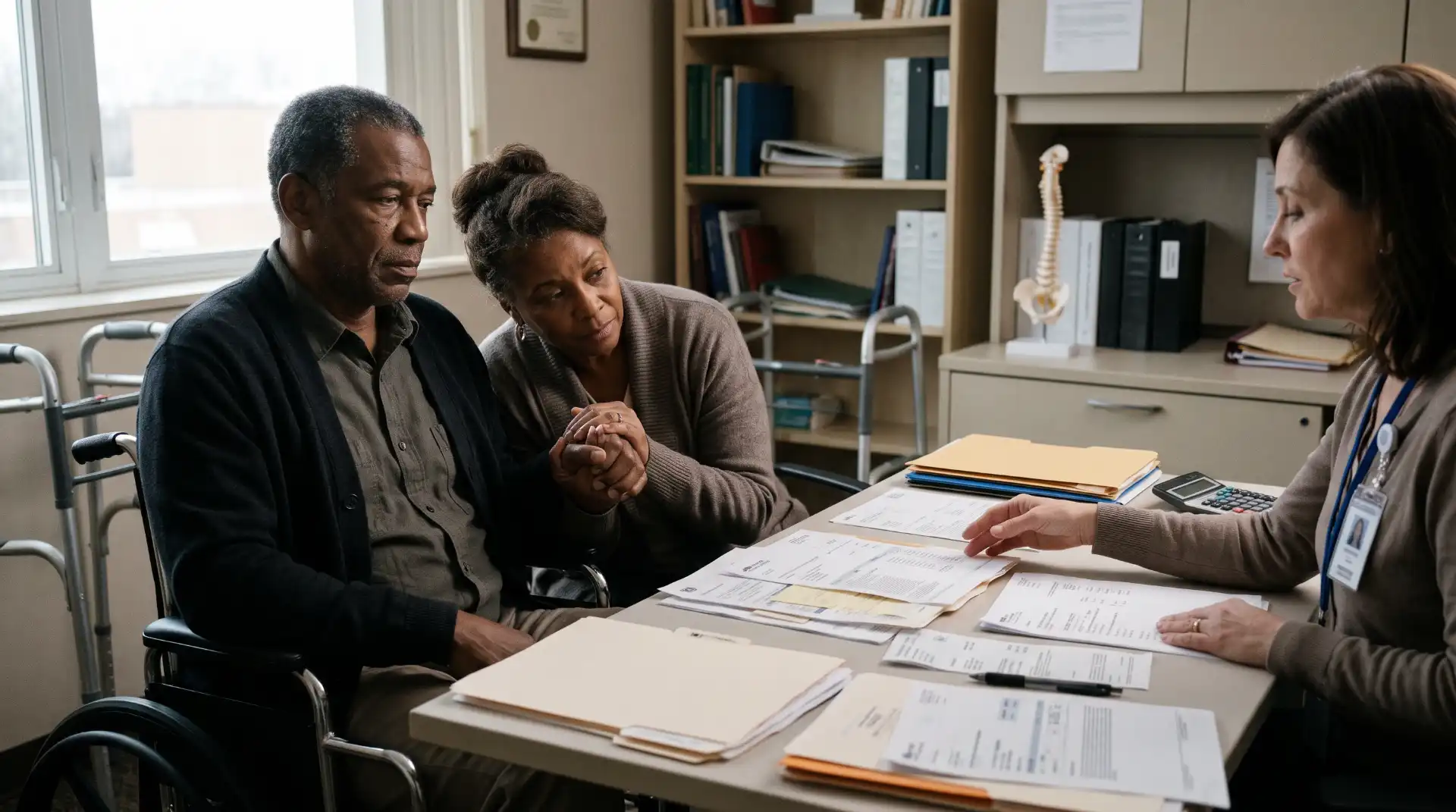
Paris’s family has also faced the additional challenge of managing the financial consequences of his hospitalization.
The Financial Burden of a Serious Medical Emergency
One of the most significant details revealed during Paris’s recovery was that he did not have medical insurance when the emergency occurred.
This disclosure brought attention to a major problem in the United States: even people with established careers can face substantial financial difficulties when unexpected medical emergencies require prolonged hospitalization and rehabilitation.
A spinal cord injury can create expenses that extend far beyond the initial emergency department visit.
Depending on the patient’s circumstances, costs may include intensive care, surgery, inpatient rehabilitation, prescription medications, medical equipment, home modifications, transportation, and long-term support.
Patients may also lose income while they are unable to work.
For a touring musician, the financial consequences can be particularly complicated because employment may depend on performances, recording projects, contracts, and other professional commitments.
Hospitalization Is Only the Beginning of the Expenses
Emergency treatment is often the first major expense following a serious medical crisis.
However, spinal cord injury recovery can require an extended period of treatment.
A patient may need to transition from an intensive-care unit to a hospital ward and then into an inpatient rehabilitation facility. After discharge, additional outpatient therapy, specialist appointments, and home-care services may be necessary.
Medical equipment can also create substantial expenses.
Depending on the patient’s needs, this may include wheelchairs, mobility aids, pressure-relieving cushions, specialized beds, bathroom equipment, and devices designed to assist with daily activities.
Not every patient requires all these items. The appropriate equipment depends on the person’s neurological function, mobility, living arrangements, and rehabilitation goals.
Understanding Medicare and Medicaid Assistance
The Paris family has reportedly pursued available assistance, including Medicare and workers’ compensation.
For American patients facing a prolonged medical crisis, understanding the differences between insurance programs is important.
Medicare is a federal health insurance program primarily serving people age 65 and older, along with certain younger individuals who qualify through disability or specific medical circumstances.
A spinal cord injury does not automatically make someone eligible for Medicare. Eligibility depends on federal program requirements and the individual’s circumstances.
Medicaid is a separate federal-state program that provides health coverage to eligible individuals based on applicable financial and other eligibility rules.
Coverage, application procedures, and available services vary by state.
Families dealing with a major injury may benefit from speaking with hospital financial counselors, benefits specialists, and social workers who can help identify available programs.
The Importance of Workers’ Compensation
Workers’ compensation may become relevant when an injury or illness is connected to employment and meets the applicable state legal requirements.
In the United States, workers’ compensation systems generally provide benefits for qualifying work-related injuries and occupational illnesses.
These benefits may include medical treatment and partial wage replacement, depending on the circumstances.
However, whether a particular medical emergency qualifies is not always straightforward.
The fact that Paris experienced his emergency shortly before a scheduled concert does not, by itself, establish that the condition was work-related or that a workers’ compensation claim must be accepted.
Determining eligibility requires examining employment arrangements, the circumstances of the incident, applicable state law, medical evidence, and insurance coverage.
Independent contractors, touring musicians, employees, and other entertainment professionals may also have different legal and contractual arrangements.
Why Crowdfunding Has Become Part of Celebrity Medical Recovery
Paris’s supporters established a GoFundMe campaign to help him and his wife manage the financial consequences of the emergency.
The fundraising effort initially helped with expenses associated with remaining in San Francisco during his hospitalization. As his medical needs became clearer, the campaign also addressed rehabilitation and continuing care.
By October, the family-backed effort had raised more than $100,000 toward its stated fundraising goal, according to contemporary reporting.
The response demonstrated how fans, friends, and members of the entertainment community can come together when someone experiences a life-changing medical crisis.
Crowdfunding can provide valuable assistance, but it should not be mistaken for comprehensive medical insurance.
A fundraising campaign may help with immediate expenses, travel, lodging, and household bills, but it cannot guarantee that all future medical costs will be covered.
This is particularly important for spinal cord injuries because treatment and support may continue for months or years.
What the Rehabilitation Process May Look Like for John Paris
The transition from hospital care to rehabilitation is a major step, but it is not a single event that guarantees a particular outcome.
For Paris, the next stage will likely involve a coordinated medical and rehabilitation plan based on his current abilities, neurological condition, and continuing medical needs. The details of that plan have not been publicly disclosed.
Understanding the general rehabilitation process helps explain why his family has described the journey as lengthy.
Stage One: Medical Stabilization and Rehabilitation Assessment
Before intensive rehabilitation begins, doctors must determine whether the patient is medically stable enough to participate.
This may involve evaluating breathing, cardiovascular function, infection risks, pain, surgical recovery, nutritional needs, and other medical concerns.
A rehabilitation team also needs to understand the patient’s neurological abilities.
Assessments can include testing muscle strength, sensation, reflexes, coordination, and the ability to perform basic movements.
These evaluations help clinicians identify which activities are appropriate and which require additional assistance.
For patients recovering from complicated medical emergencies, rehabilitation may initially progress slowly because other health conditions can limit participation.
Stage Two: Developing Individual Rehabilitation Goals
Once the medical team understands the patient’s condition, rehabilitation goals can be established.
These goals should be specific and realistic.
For one patient, the first major objective may be sitting independently. Another may focus on improving wheelchair mobility, transferring between surfaces, or performing personal care with less assistance.
Patients who retain greater neurological function may work toward standing or walking with appropriate support.
A musician may eventually have additional occupational goals involving hand coordination, sitting endurance, and the physical requirements of performing.
However, rehabilitation specialists generally prioritize essential health and daily-living abilities before introducing more demanding activities.
Paris’s medical team will be best positioned to determine which objectives are appropriate for him.
Stage Three: Building Strength and Endurance
Prolonged hospitalization can significantly reduce physical conditioning.
Even people without spinal cord injuries can experience muscle weakness, reduced endurance, and difficulty performing everyday activities after spending an extended period in bed.
A patient recovering from a serious neurological injury may face additional challenges.
Physical therapists can introduce progressively demanding activities designed to improve strength, movement, and tolerance for physical exertion.
Progress may be measured through practical improvements rather than dramatic milestones.
For example, someone may initially require assistance to sit upright for a short period. Over time, the person may tolerate longer sessions or perform more of the movement independently.
These improvements can be meaningful even when they are not visible to the public.
Stage Four: Preparing for Life Outside the Rehabilitation Facility
Returning home often requires more planning than families initially expect.
The rehabilitation team may assess whether the patient’s home is accessible and whether modifications are needed.
Depending on the patient’s abilities, these changes could include:
-
Installing grab bars and improving bathroom accessibility.
-
Creating wider pathways for mobility equipment.
-
Adjusting bedroom arrangements.
-
Installing ramps or other accessibility features.
-
Obtaining appropriate seating and transfer equipment.
-
Arranging home health services or caregiver assistance.
The objective is to create an environment in which the patient can function as safely and independently as possible.
For Paris and his family, returning home has been identified as an important longer-term goal.
However, the timing will depend on his medical progress, functional abilities, available support, and recommendations from his rehabilitation team.
Could John Paris Return to Playing Drums?
One of the questions fans may eventually ask is whether Paris will be able to return to performing with Earth, Wind & Fire.
At this stage, there is no publicly confirmed timeline for his return to music.
It is also impossible to determine his future performance abilities without knowing more about the location and severity of his spinal cord injury.
Playing professional drums requires several physical abilities that may be affected by certain spinal cord injuries.
The Physical Demands of Professional Drumming
Drumming is a physically demanding activity, even though performers often remain seated.
A professional drummer must coordinate both arms and legs, maintain rhythm, control multiple movements simultaneously, and sustain physical activity throughout a performance.
Depending on the style of music, a drummer may also need substantial upper-body endurance, precise hand movements, and the ability to coordinate rapid changes in tempo.
A spinal cord injury could affect some of these abilities, depending on the neurological structures involved.
For example, an injury affecting hand movement could make holding drumsticks difficult. An injury affecting trunk control could create challenges maintaining a stable seated position.
Changes in leg function could also influence the use of bass drums and other foot-operated equipment.
These are general considerations, not claims about Paris’s actual condition.
Adaptive Musical Equipment May Provide Alternatives
People with physical disabilities sometimes continue participating in music through adaptive instruments, modified equipment, and alternative playing techniques.
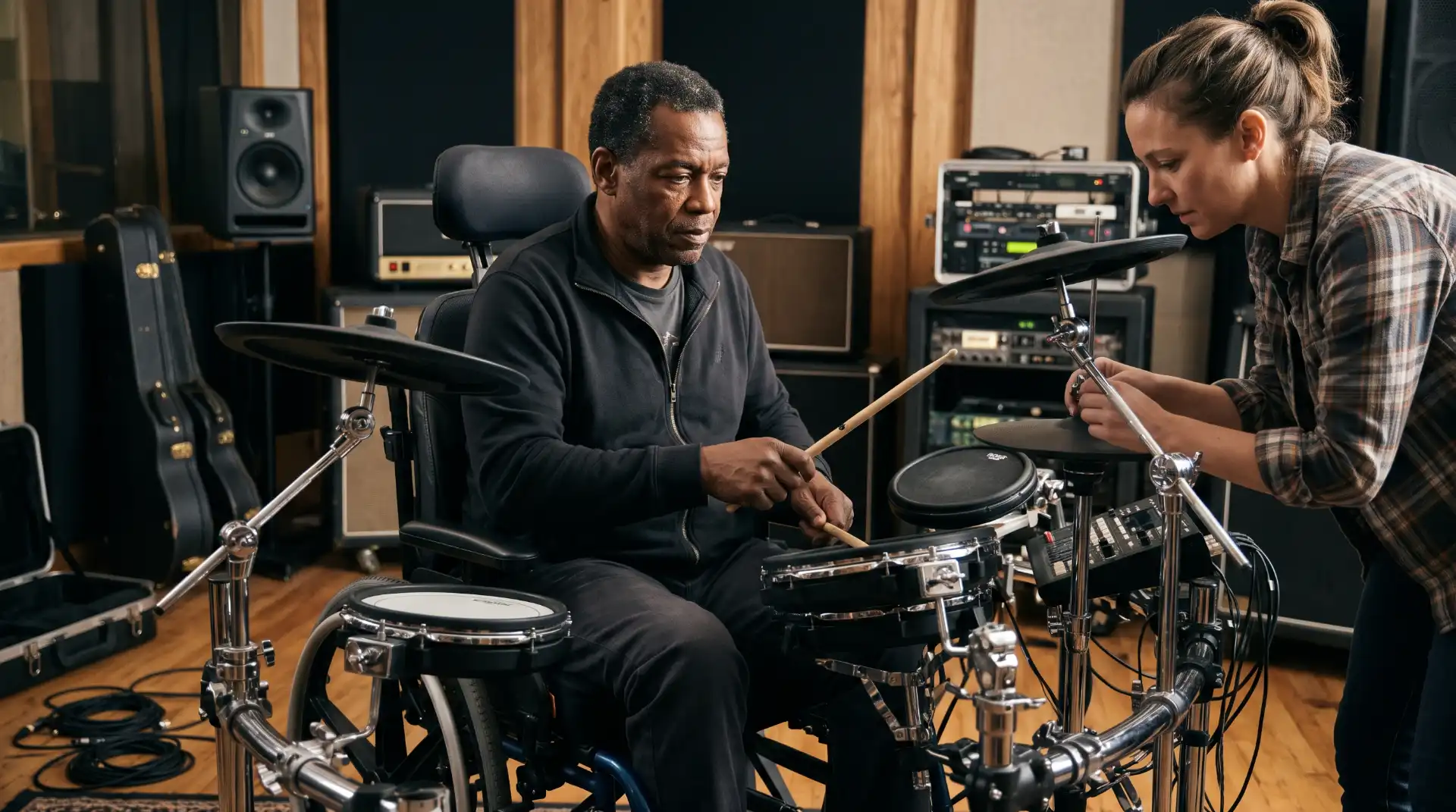
Depending on an individual’s abilities, adaptations may include specialized seating, modified drum pedals, different stick grips, electronic instruments, or changes in instrument placement.
Assistive technology can also help musicians control musical equipment using alternative movements.
For example, a performer with limited lower-body movement may be able to use modified electronic equipment controlled primarily through the hands.
However, adaptive equipment is not automatically suitable for every musician. The right approach depends on physical ability, comfort, coordination, and the demands of the performance.
If returning to music becomes one of Paris’s rehabilitation goals, occupational therapists and other specialists may help evaluate possible adaptations.
A Return to Performing Does Not Have to Look the Same
The entertainment industry often celebrates comeback stories as though recovery means returning to exactly the same physical condition as before an injury.
Real life can be more complicated.
A performer may return to a modified role, work with different equipment, reduce touring commitments, or participate in selected projects rather than resume a previous schedule.
Some musicians may also discover new ways to contribute through recording, mentoring, composing, or working with younger performers.
For Paris, the immediate priority remains his health and rehabilitation. Any future musical decisions should be based on his preferences and medical capabilities rather than public expectations.
How John Paris’s Experience Compares With Other Celebrity Injury Recoveries
Celebrity injury stories often attract attention because they provide a recognizable example of a medical problem that many ordinary people may also experience.
However, not every injury produces the same recovery challenges.
Some celebrities experience orthopedic injuries that require surgery and months of physical therapy. Others face neurological complications, prolonged hospitalization, or medical conditions that affect multiple bodily systems.
Paris’s situation is particularly serious because his publicly reported spinal cord injury followed a major medical emergency and an extended hospital stay.
A useful comparison is the experience of Simon Cowell’s back surgery following his e-bike accident. Cowell’s 2020 accident resulted in severe back injuries and major surgery, while his later medical history demonstrated how spinal injuries can remain relevant years after the original incident.
The two situations are medically different, and Cowell’s recovery should not be used to predict Paris’s outcome. Nevertheless, both stories illustrate why serious spinal injuries deserve attention beyond the initial hospital treatment.
Another relevant topic is why celebrities sometimes return to work before their injuries fully heal. Professional performers may face complicated decisions about resuming their careers, particularly when physical recovery and professional responsibilities do not progress at the same pace.
The broader subject is also explored in celebrity health scares and recovery in 2026. These stories demonstrate that medical emergencies can affect people regardless of professional success, public visibility, or access to supportive communities.
What Families Can Learn From a Serious Spinal Cord Injury
Although Paris’s medical situation is unique, families across the United States can learn important lessons from the challenges associated with spinal cord injuries.
The first is that emergency treatment is only one part of the recovery process.
A person may survive the initial medical crisis but still require months of rehabilitation, specialist appointments, equipment, and long-term support.
The second is that family members should become involved in discharge planning as early as appropriate.
Rehabilitation facilities often provide caregiver education before a patient returns home. Learning how to assist with mobility, transfers, medication routines, and daily care can help prevent avoidable problems.
The third is that families should understand their insurance and financial options.
A hospital social worker or financial counselor may help identify programs, coverage options, and community resources.
Finally, families should recognize the importance of emotional support. Patients recovering from spinal cord injuries may need assistance adjusting to major changes in independence, employment, and everyday life.
Questions Families Should Ask the Rehabilitation Team
Families can make rehabilitation planning more productive by asking clear questions about the patient’s medical condition and goals.
Useful questions include:
-
What is the current neurological assessment?
-
Which movements and physical abilities are preserved?
-
What complications require ongoing monitoring?
-
What are the immediate rehabilitation priorities?
-
What equipment may be needed after discharge?
-
What caregiver training will be provided?
-
What outpatient services will be necessary?
-
Which warning signs require immediate medical attention?
-
What financial assistance and insurance resources are available?
The answers should be specific to the patient rather than based on generalized recovery timelines.
The Importance of Spinal Cord Injury Research
Spinal cord injury treatment has advanced significantly over time, particularly in areas involving emergency stabilization, rehabilitation, assistive technology, and the management of secondary complications.
Researchers continue investigating ways to improve neurological recovery and functional independence.
Some areas of research include electrical stimulation, advanced rehabilitation technology, robotic-assisted movement training, and experimental approaches to nerve repair.
These developments are encouraging, but it is important to distinguish established treatment from experimental research.
There is currently no universally available treatment that can guarantee complete restoration of spinal cord function after a serious injury.
Patients should be cautious about unproven treatments advertised online, particularly when companies promise dramatic neurological recovery.
For reliable medical information, the National Institute of Child Health and Human Development provides an overview of spinal cord injury causes, treatment, and rehabilitation.
The American Association of Neurological Surgeons also provides information about spinal cord injuries and their treatment.
These resources help explain why treatment decisions must be individualized and why rehabilitation remains essential even when surgery or emergency care has successfully addressed an immediate medical problem.
The Role of Long-Term Rehabilitation After Hospital Discharge
One of the biggest misconceptions about rehabilitation is that it ends when a patient leaves a specialized facility.
In reality, the transition home may introduce new challenges.
Patients may need outpatient physical therapy, occupational therapy, specialist appointments, home health assistance, or continuing nursing care.
The frequency and duration of these services depend on medical needs and insurance coverage.
For some patients, rehabilitation continues for many months. Others require ongoing therapy and adaptive support for years.
Maintaining Physical Health
People with spinal cord injuries may need to follow long-term plans involving exercise, nutrition, skin protection, and regular medical monitoring.
Appropriate physical activity can help maintain cardiovascular health, preserve available muscle function, and reduce some complications associated with immobility.
However, exercise programs must be designed around the individual’s neurological condition and physical abilities.
A patient should not attempt strenuous activity simply because another person with a spinal cord injury has successfully completed a particular exercise routine.
Preventing Secondary Medical Complications
Long-term care also involves preventing complications that can develop after the initial injury.
Depending on the injury, these may include urinary tract infections, pressure injuries, respiratory problems, blood clots, joint contractures, and chronic pain.
Regular medical appointments allow healthcare professionals to identify developing problems and adjust treatment.
Patients and caregivers also need to understand which symptoms require urgent evaluation.
Sudden breathing difficulties, chest pain, significant changes in neurological function, fever with concerning symptoms, and other acute warning signs should never be ignored.
Rebuilding Confidence and Independence
Physical recovery is only one measure of progress.
Many patients also need time to rebuild confidence in everyday activities.
Using a wheelchair in public, returning to social events, traveling, managing personal care, and participating in recreational activities can require adjustments.
Rehabilitation professionals can help patients develop practical strategies for navigating these situations.
Family members and friends can contribute by encouraging independence while respecting the patient’s decisions and limitations.
For a performer such as Paris, reconnecting with music and the entertainment community may eventually become part of this broader process, if that is something he wishes to pursue.
Frequently Asked Questions About John Paris’s Spinal Cord Injury
Who is John Paris?
John Paris is a professional drummer who has performed with Earth, Wind & Fire since 2001. He has contributed to the band’s live performances and recordings and is known for his work with the internationally recognized musical group.
What happened to John Paris in August 2026?
Paris experienced a serious medical emergency on August 6, 2026, shortly before Earth, Wind & Fire was scheduled to perform with Lionel Richie at San Francisco’s Chase Center. He was transported to a hospital and remained under medical care for more than two months.
Did John Paris suffer a spinal cord injury?
Yes. His family-backed supporters publicly disclosed that he suffered a spinal cord injury during his medical ordeal. The precise location and severity of the injury have not been publicly established.
Did John Paris undergo surgery?
Yes. Reports published during his hospitalization indicated that he underwent two major surgeries. Detailed information about the procedures has not been fully disclosed.
Was John Paris placed in a medically induced coma?
Yes. Public updates reported that he was placed in medically induced comas on two occasions while doctors provided critical care.
Has John Paris left the hospital?
Yes. In October 2026, his supporters announced that he had left the San Francisco hospital and entered a rehabilitation facility after more than two months of hospitalization.
What is John Paris’s current recovery outlook?
His family has described the recovery process as lengthy and emphasized the goal of helping him regain as much independence as possible and eventually return home. A specific medical prognosis has not been publicly released.
Will John Paris return to Earth, Wind & Fire?
There is no publicly confirmed return-to-performance date. His ability to resume professional drumming will depend on his medical condition, rehabilitation progress, physical abilities, and personal decisions.
Can someone fully recover from a spinal cord injury?
Recovery varies significantly. Some patients experience substantial improvements in movement and sensation, while others have lasting neurological impairments and require long-term assistance. The outcome depends on the nature and severity of the injury and other individual factors.
How long does spinal cord injury rehabilitation take?
There is no single recovery timeline. Some patients participate in intensive inpatient rehabilitation for weeks or months, followed by outpatient treatment and continuing care. Others require long-term rehabilitation and adaptive support.
Why can a spinal cord injury be financially devastating?
Treatment may involve emergency care, surgery, hospitalization, rehabilitation, medications, assistive equipment, home modifications, and ongoing medical services. Lost income and caregiver expenses can add further financial pressure.
Conclusion: John Paris’s Recovery Is Only Beginning
John Paris’s spinal cord injury has transformed what initially appeared to be a sudden medical emergency into a much longer recovery story.
His hospitalization, two major surgeries, periods of medically induced unconsciousness, and eventual transition into rehabilitation demonstrate the seriousness of the medical challenges he has faced.
For Earth, Wind & Fire fans, his departure from the hospital was encouraging news. For his family, however, it was also the beginning of a new phase involving rehabilitation, continuing medical needs, and the difficult process of preparing for life after a prolonged hospitalization.
The most important question is no longer simply when Paris will leave the hospital. It is how much independence he can regain, what medical support he will need, and whether he will eventually be able to return to the activities that have defined his professional life.
His experience also highlights issues that affect thousands of American families dealing with serious spinal cord injuries. Emergency treatment, neurological rehabilitation, caregiver support, insurance coverage, and long-term financial planning can all become essential parts of recovery.
At this stage, Paris’s medical future remains private, and his progress should not be measured against another person’s recovery timeline. What matters most is that he has reached rehabilitation and has the opportunity to continue receiving the care and support he needs.
His fans have spent decades appreciating the music he helped create. Now, many are hoping that the next chapter of his story brings continued progress, greater independence, and the possibility of returning home.
Medical disclaimer: This article is intended for general educational and entertainment purposes. It does not provide a diagnosis, treatment recommendation, or prediction about John Paris’s individual medical outcome. Spinal cord injuries require individualized assessment and care from qualified healthcare professionals.